
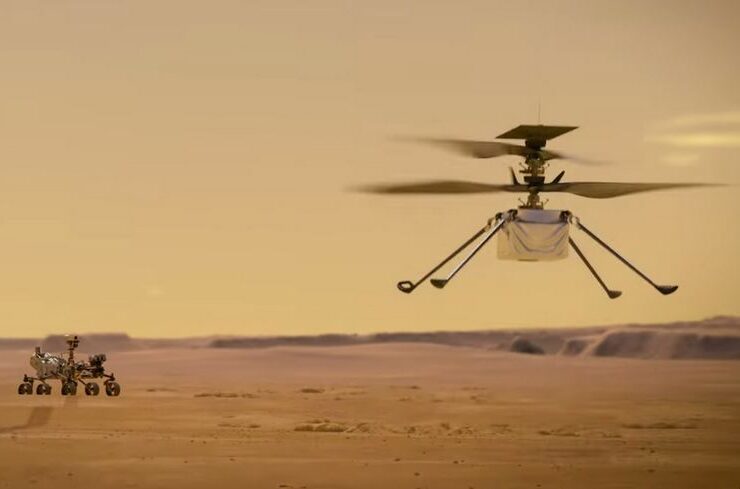
It’s a success! NASA’s Mars helicopter took its first flight, and we have proof. The Perseverance rover, which carried Ingenuity, captured the whole event in an incredible video. The historic flight on our planetary neighbour tool place at 3:34 AM ...
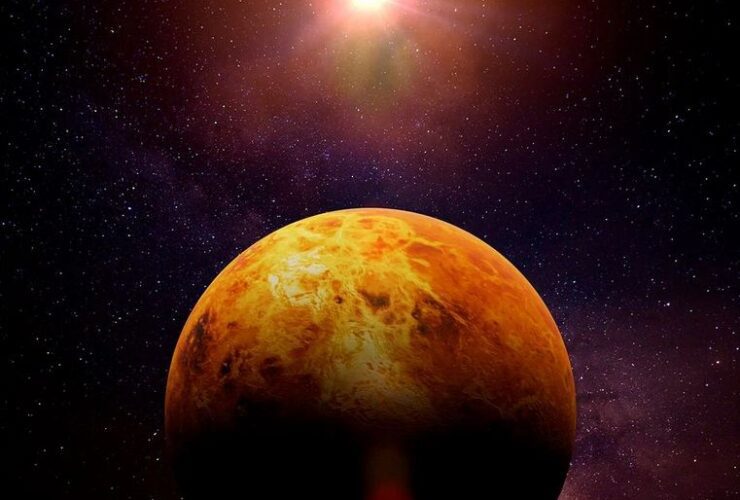
The first complete look of Venus’ dust ring is now available thanks to the Parker Solar Probe. The images show our planetary neighbour’s dust ring for almost its entire 360-degree span around the Sun. Venus’ orbital dust ring is an ...
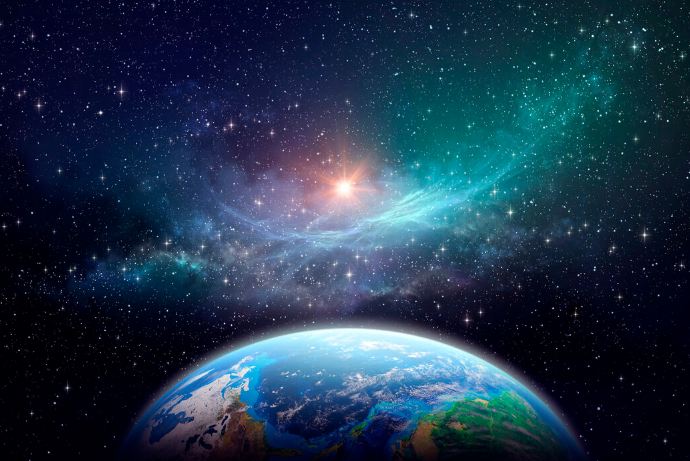
Interstellar space is one of the most intriguing subjects for astronomers. We still know little about what lies there or beyond it. However, bits of interstellar space reached our Solar System. With that in mind, NASA decided to develop a ...

A recently discovered asteroid approximately the size of a car flew harmlessly by Earth in the morning of April 12. Astronomers figured out that the asteroid, known as 2021 GW4, is approximately 14 feet (4 meters) across – too small ...
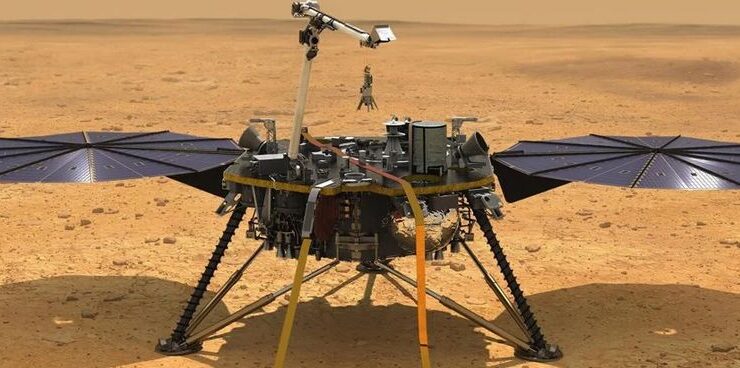
Sad news about the InSight Mars lander! NASA just announced that the lander is now in an energy crisis. InSight detected so far over 500 marsquakes and 10,000 dust devils on the Red Planet. The mission was ambitious, and it ...

Annually, 5,200 tons of extraterrestrial dust reaches Earth, as per new research. This delicate yet harsh rain of bits of asteroids and other cosmic features far outweighs bigger meteorites that hit our planet. Despite such an enormous amount, it’s still ...
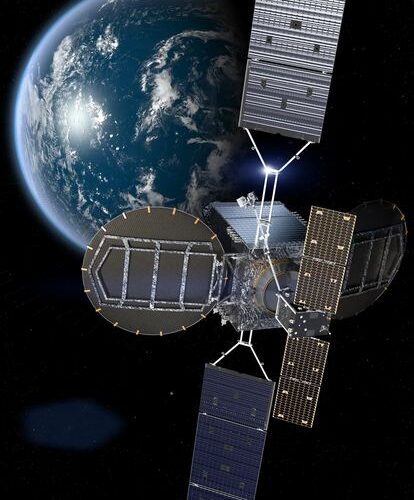
A satellite’s mission is never over. Old satellites can continue their work thanks to robotic spacecraft such as MEV-2 (the Mission Extension Vehicle-2). Will this industry of life-extension services for dying or errant satellites work? According to Northrop Grumman, MEV-2 ...
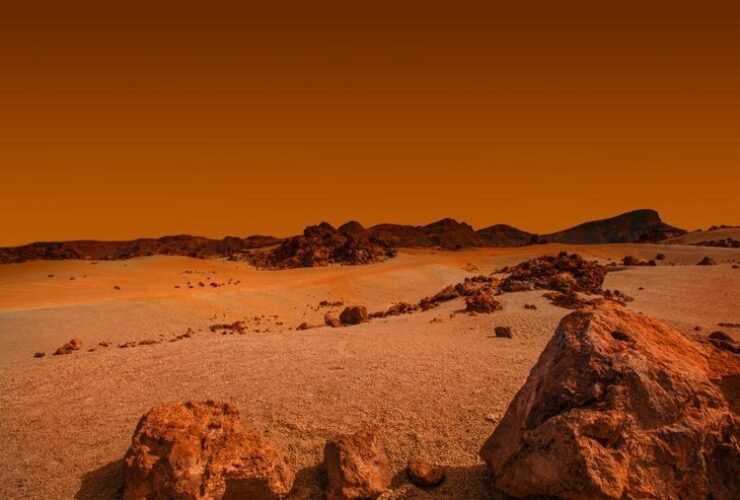
The Mars copter has just got postponed after a possible tech issue. NASA decided to delay Ingenuity’s first flight after it tested its rotors. The mini helicopter’s trip will be the first-ever controlled, powered flight on another planet if everything ...
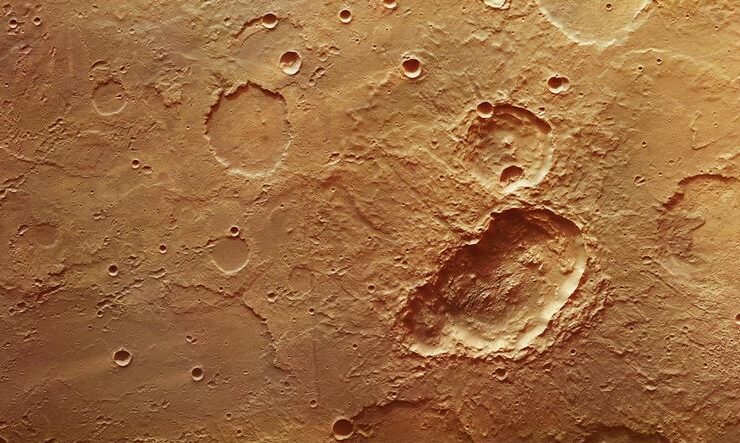
It may come as a surprise, but Earth and Mars have more in common than previously believed. At least, that’s what new research claims. Nordlinger Ries is a 15-million-year-old asteroid impact crater full of sediments. According to researchers, this structure ...
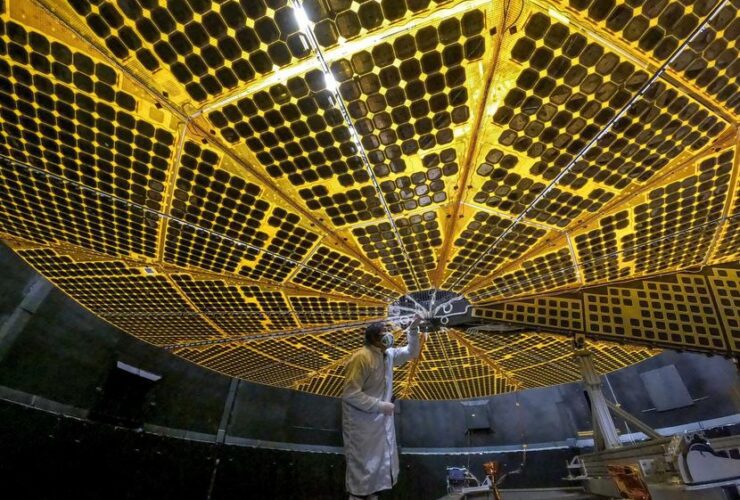
Lucy is the upcoming mission NASA is going to unfold in space soon! The spacecraft will enrol in the 13th mission of the space agency’s Discovery Program that aims to operate closer to the Sun. Recently, Lucy has completed the ...
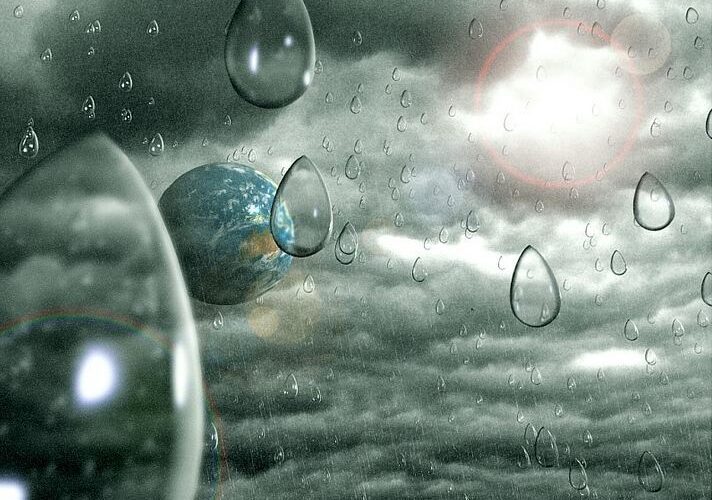
Do you ever wonder how rain is on other planets from our Solar System? But how about on potentially habitable planets? According to a new study, raindrops can help us identify other planets outside our Solar System. For the new ...
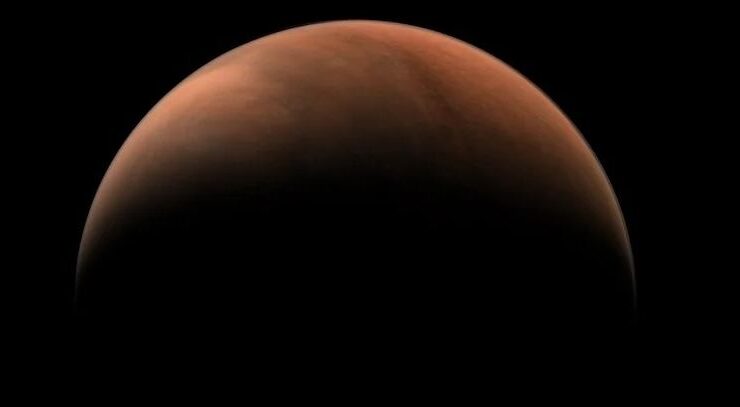
The Chinese space agency (CNSA) launched a few months ago probe Tianwen-1 to Mars. The mission’s main goal is to survey the Red Planet, orbiting closer. Recent data sent by Tianwen-1 prove that the probe is also one of the ...
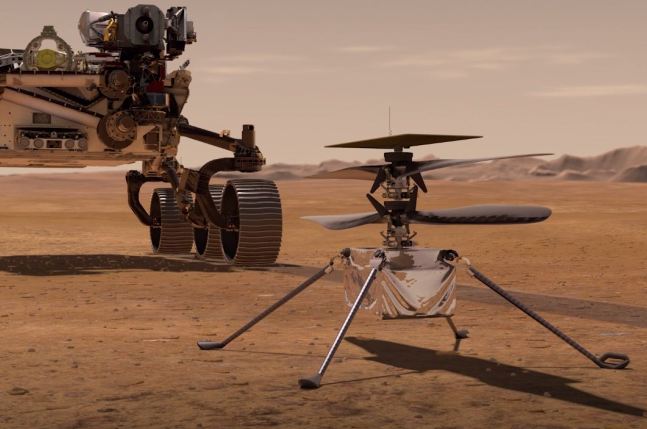
NASA’s bold helicopter has been finally dropped on the Martian ground. This manoeuvre was essential as the mini-helicopter gets ready for its first flight. Ingenuity is an ultra-light aircraft initially attached to the Perseverance rover’s belly, which arrived on Mars ...
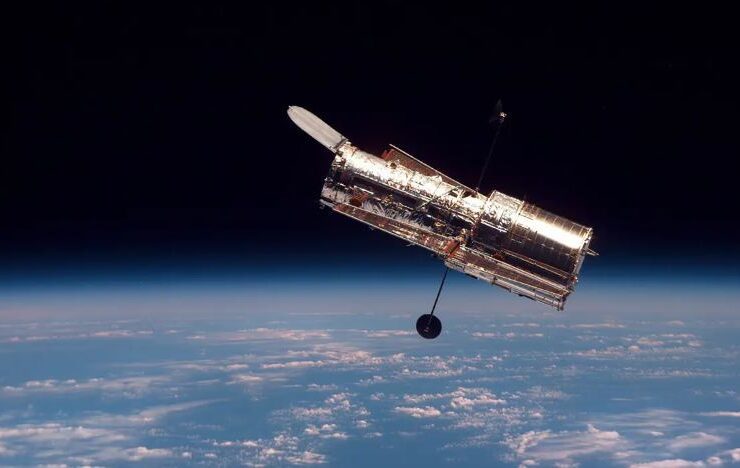
NASA’s Hubble Space Telescope is known for its incredible space shots, and the last one is no exception! Recently, Hubble returned to the Veil Nebula to capture it like never before. The new image highlights the nebula’s intriguing features in ...
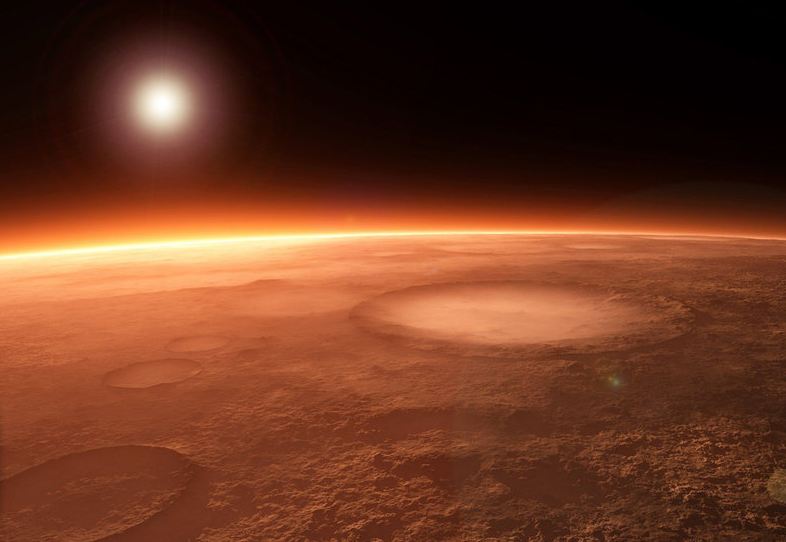
NASA’s bold lander InSight has recently detected a seismic activity on the Red Planet. Cerberus Fossae, a Martian region, experienced two marsquakes, as per new data. InSight has previously reported other quakes in the same region. This time around, however, ...
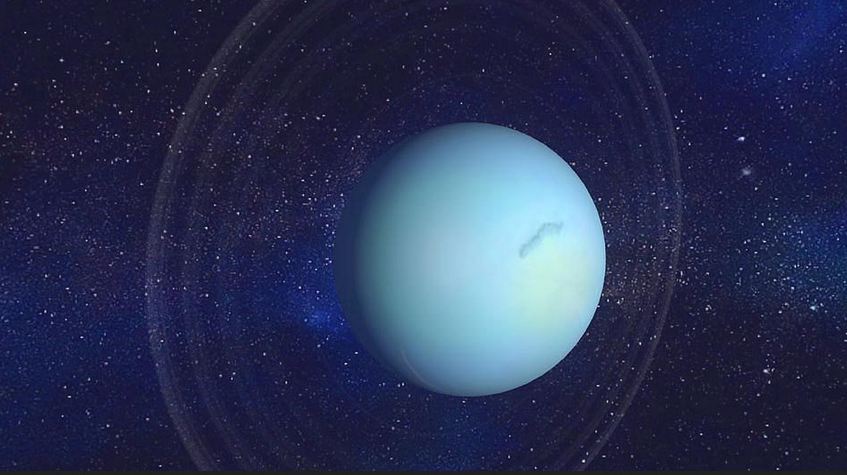
A new mystery about Uranus has just been unveiled! Astronomers detected quite the phenomenon on the enigmatic ice giant planet, something odd yet intriguing. Using NASA’s Chandra X-ray Observatory, a team of researchers wanted to see more than hydrogen and ...
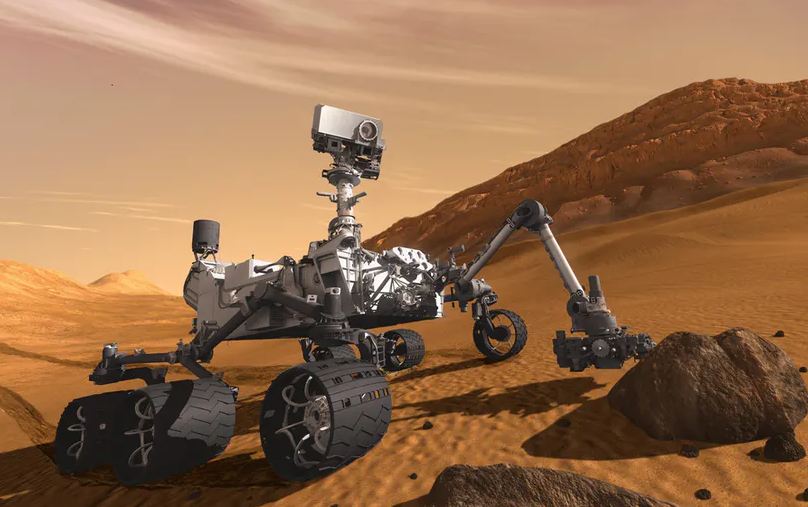
At the beginning of the month (March), NASA’s brave Curiosity Mars rover started getting closer to a massive rock formation, dubbed “Mont Mercou” (a French reference). Just 6 meters (20 feet) tall, the Martian structure was captured in a new ...
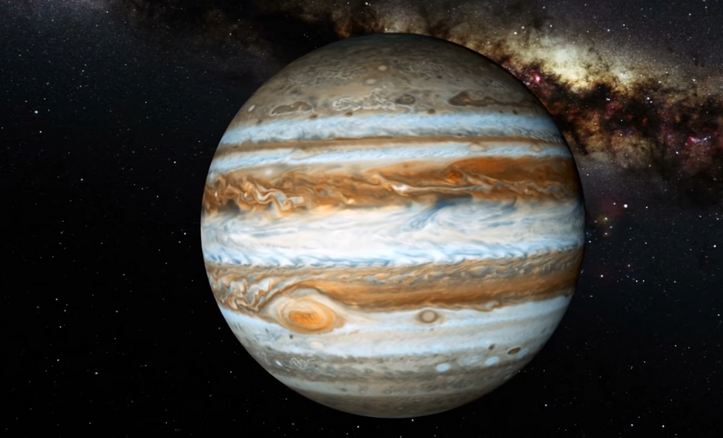
As new research emerges, we learn how our neighbour, Jupiter, has more secrets than previously believed. A team of scientists discovered that the edge of Jupiter’s huge magnetosphere has quite an effect on the planet. New faint aurora traits have ...
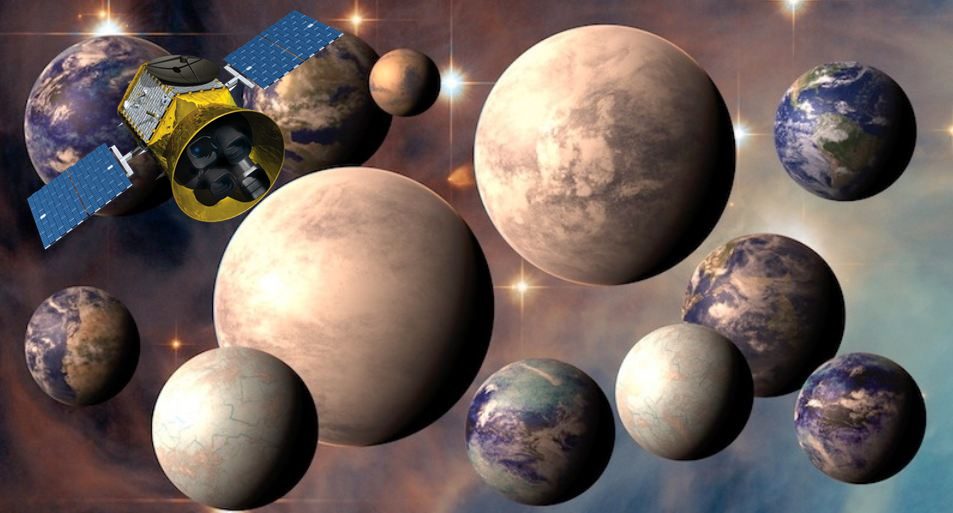
NASA’s planet-hunter, TESS, has reached a new milestone: 2,241 possible planets! The incredible record marks two years of work. TESS has been developed to spot alien worlds in what seemed two years ago, one of the most challenging mission. The ...
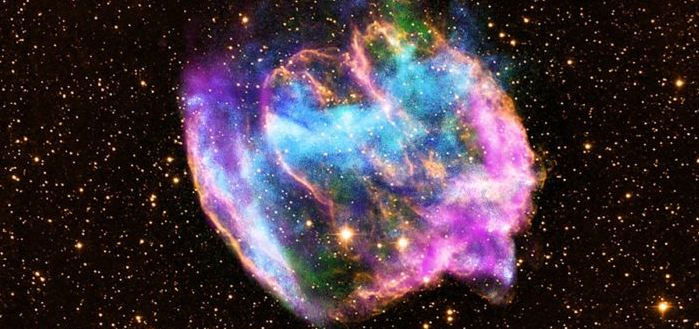
Only some stars die, and when they do that, they go out in a blaze of glory: a peculiar yet tragic event known as a supernova. New information about supernova aftermath is now available. Astrophysicists succeeded in simulating what happens ...
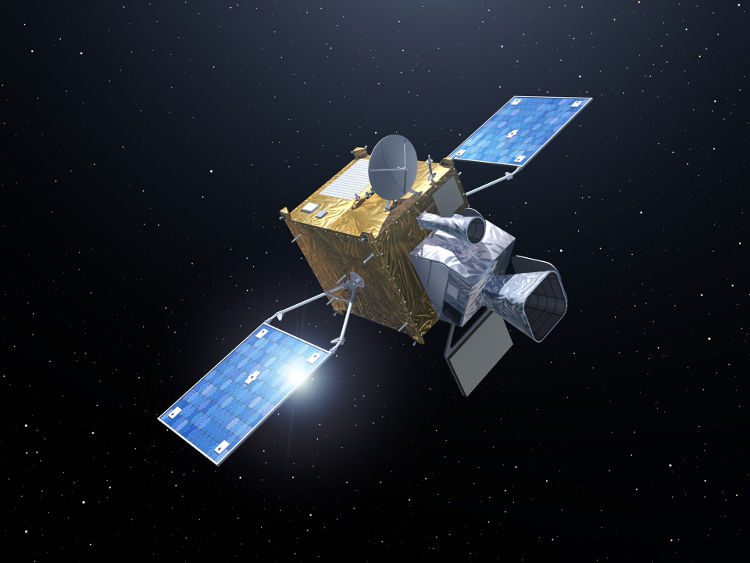
A decommissioned weather satellite not used since eight years ago broke up, increasing the debris population (mostly space junk) in a critical orbit. The Space Force’s 18th Space Control Squadron announced that on March 18, it was confirmed that the ...
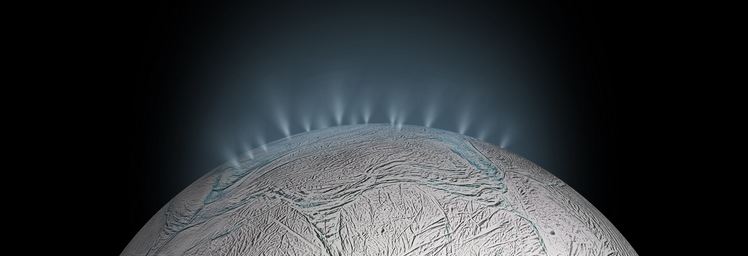
Saturn’s moon, Enceladus, is more than meets the eye. Deep buried secrets await now to be discovered, but the challenge is tougher than previously believed. According to a new paper, Enceladus’ ocean currents might be similar to those on our ...
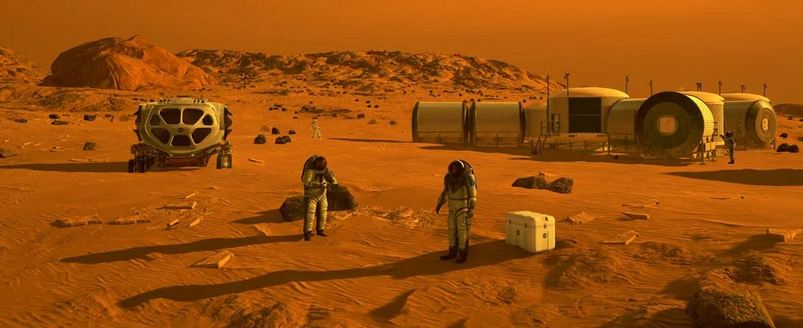
Recent discovery of new strains of bacteria on the ISS has created quite the buzz among scientists. Thanks to this, we might be able one day to grow food in space. Growing food in space is probably the most challenging ...
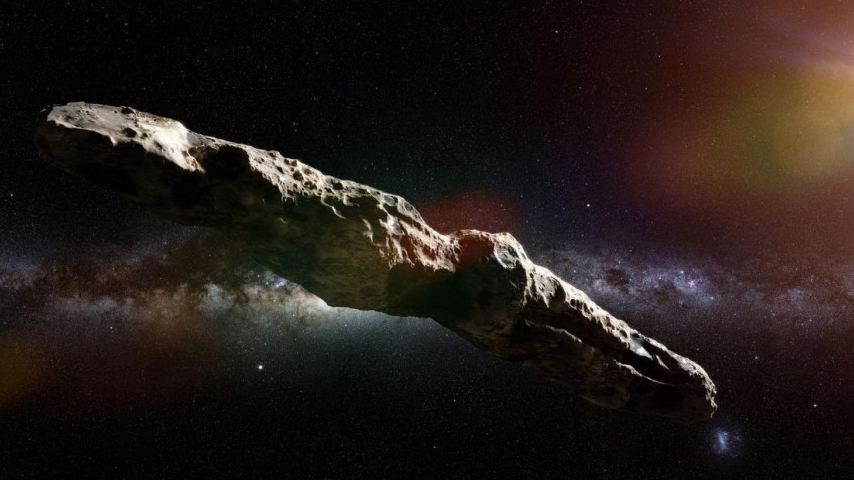
Remember that interstellar visitor that confused everyone with its unknown structure and origin? Well, it’s back in the spotlight, and we have some new details about it. Oumuamua, first believed to be an alien object, might actually be just a ...
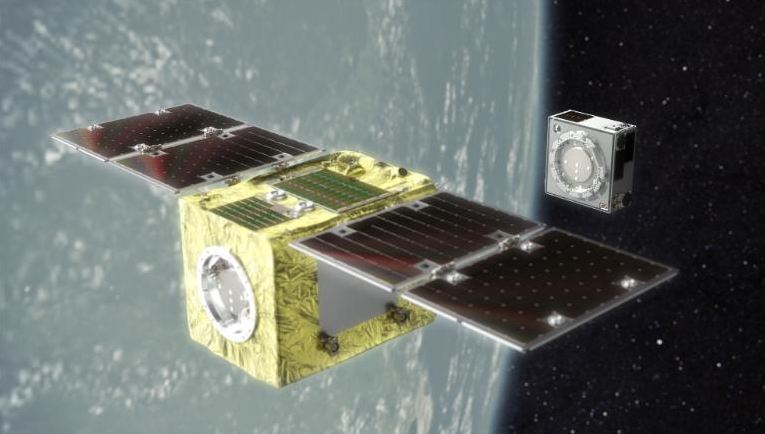
Cleaning the low-Earth orbit of dangerous space debris will soon be no longer a problem. Thanks to a newly developed tech, scientists will get rid of some space junk efficiently. Currently, there’s approximately 9000 tons of space debris orbiting Earth ...