
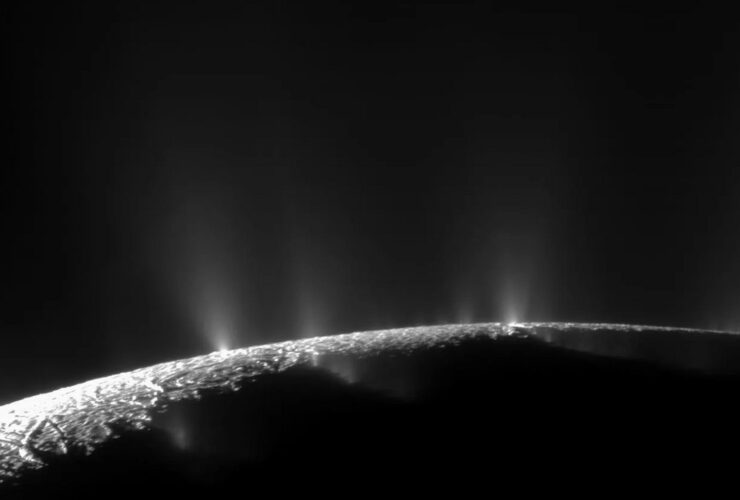
This new instrument is ready to fly to Europa or Enceladus. But for what exactly is this instrument? NASA scientists are trying to find new locations where life could exist. So far, it is Saturn’s moon En, celadus, and Jupiter’s ...
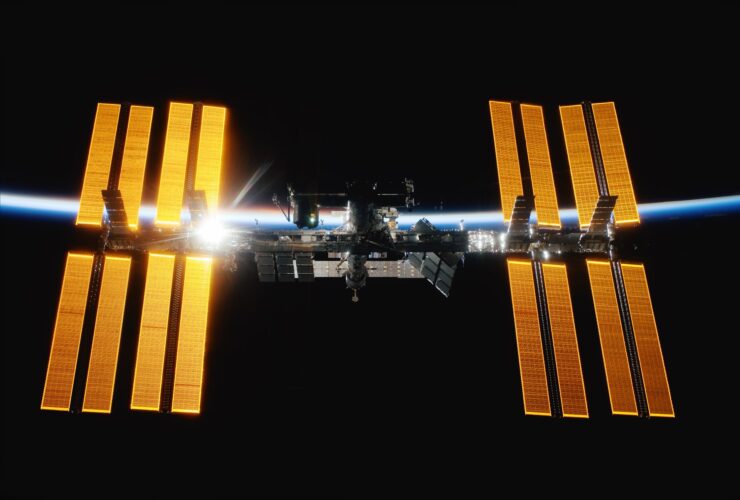
The International Space Station (ISS), which is operated by NASA and the ESA (European Space Agency), is once again under the spotlight. The spacecraft is forced to make various maneuvers in space in order to avoid a chunk of a ...
NASA’s next-generation James Webb Space Telescope continues to be under the spotlight after it has presented photos of Jupiter, Neptune, and much larger celestial bodies. The telescope has now found evidence of a cluster of galaxies merging around a black ...
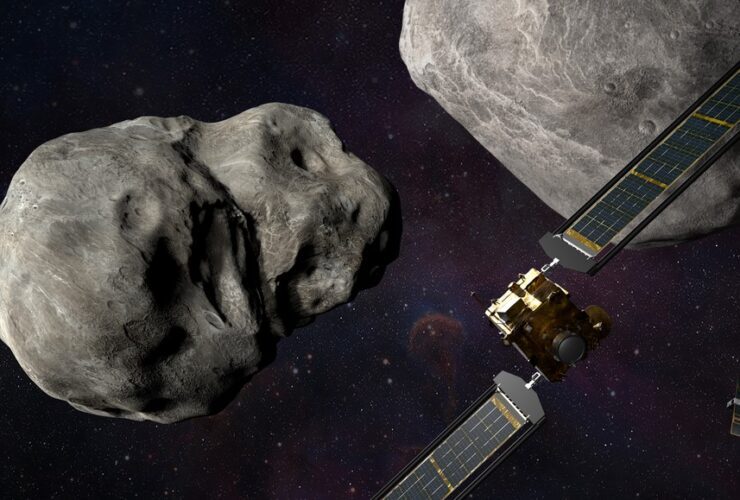
In a first-of-its-kind test to safeguard our planet, a spectacular asteroid collision rammed a NASA probe into a space rock. The impact proved more powerful and effective than experts had anticipated. On September 24, the Double Asteroid Redirection Test, aka ...
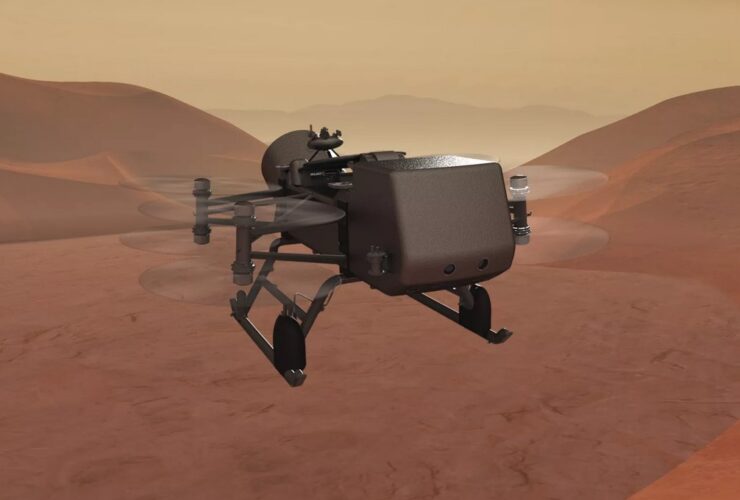
Exploring Saturn’s Biggest Moon Titan is Totally Happening – Find Out More About Dragonfly’s Mission
New data from the Cassini spacecraft predicts that NASA’s Dragonfly mission to Saturn’s giant moon would land on a landscape with dunes and frozen bedrock. But there’s more than meets the eye! Titan, Saturn’s biggest moon, will soon be finally ...
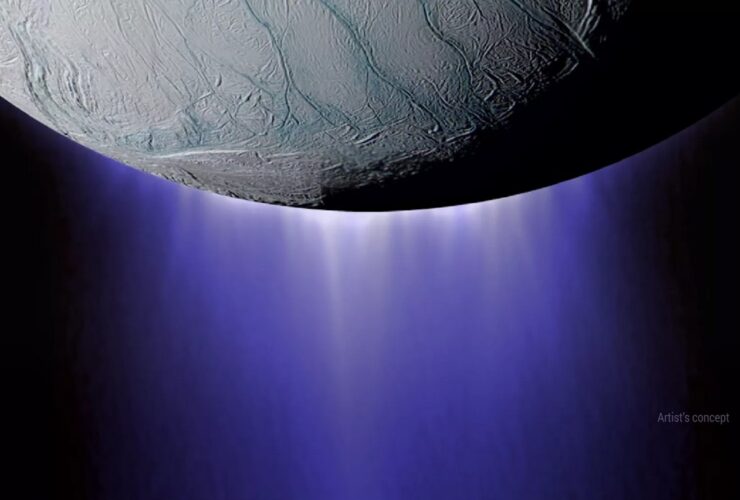
According to a recent study, the water underneath Saturn’s moon Enceladus may be filled in phosphorus, a key feature of life as we know it. That could solve long-standing quests about the Universe, as well. The biochemistry of life depends ...
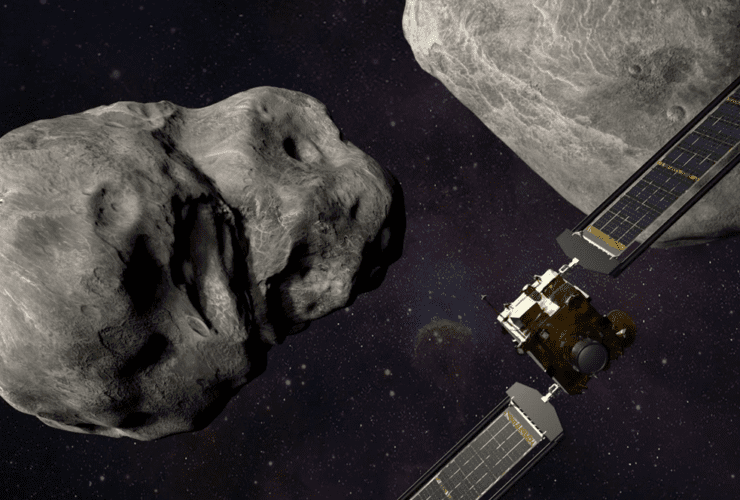
Soon, a far-off asteroid will be intentionally hit by the NASA Double Asteroid Redirection Test (DART). It sounds so ambitious that even our wildest SF dreams can’t beat that! This space mission marks humanity’s first effort to purposefully crash a ...
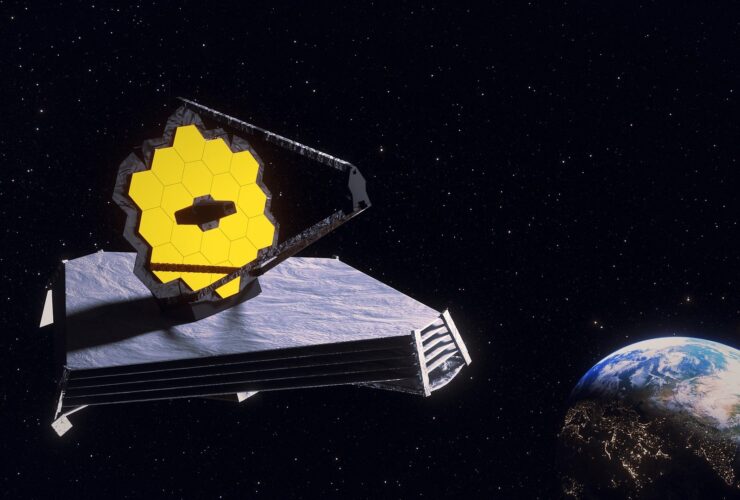
The James Webb Space Telescope is maintaining its focus on our own cosmic ‘backyard’: the Solar System. After revealing the first images of Mars, as well as detailed photos of Jupiter, the next-gen telescope has now unveiled a new photo ...
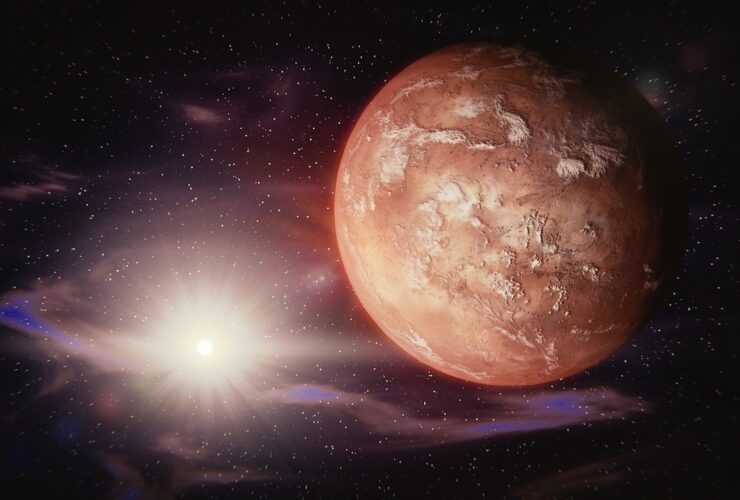
Taking a look at those distant objects in the Universe, such as galaxies and stars, is so mainstream when it comes to astronomy! Why not study the planets of our Solar System more, instead? Who knows what we can find! ...
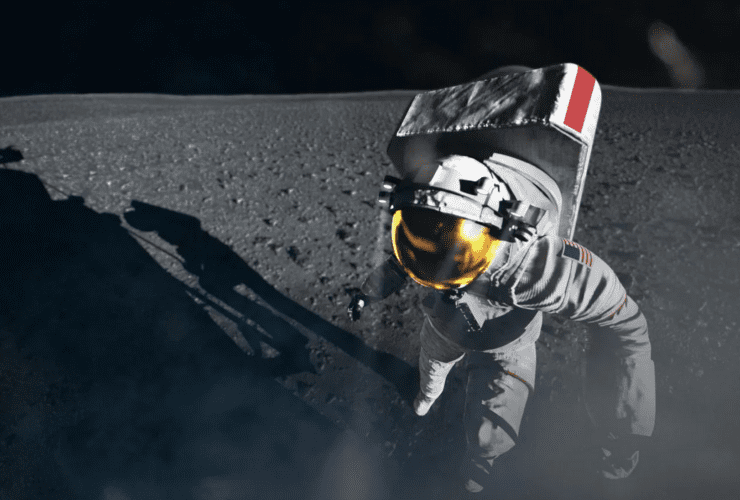
As part of its incredible efforts to establish a regular cycle of moon landings, NASA is looking for concepts for developing and demonstrating lunar landers. Therefore, the space agency is getting ready to launch Artemis missions to send people again ...
In recent months, the James Webb Space Telescope has shown to be an outstanding success for NASA. The multibillion-dollar equipment is successfully “unfolding the cosmos” by exposing cosmic light beyond the range of human vision, and the astounding findings have ...
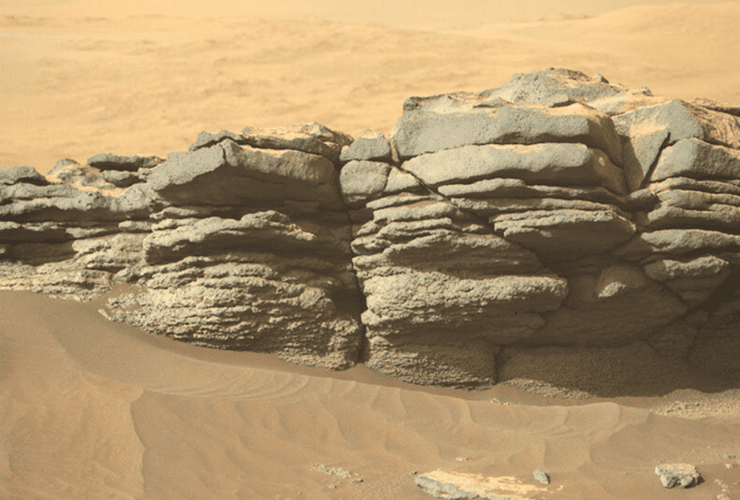
NASA’s rover provides the most comprehensive image of Mars’ surface we’ve ever seen! Perseverance succeeded in scanning a great 2.5 billion pixels of Martian ground, and now more data is available. Read the full report below and explore Mars in ...
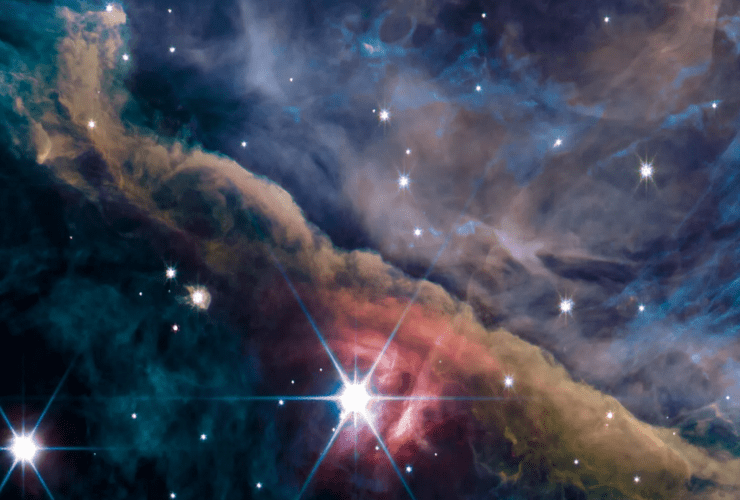
The James Webb Space Telescope (JWST) has discovered newborn stars within the Orion Nebula, which look genuinely incredible! Even with the unaided eye, the Orion Nebula is one of the brightest star-forming areas visible in the night sky, so seeing ...
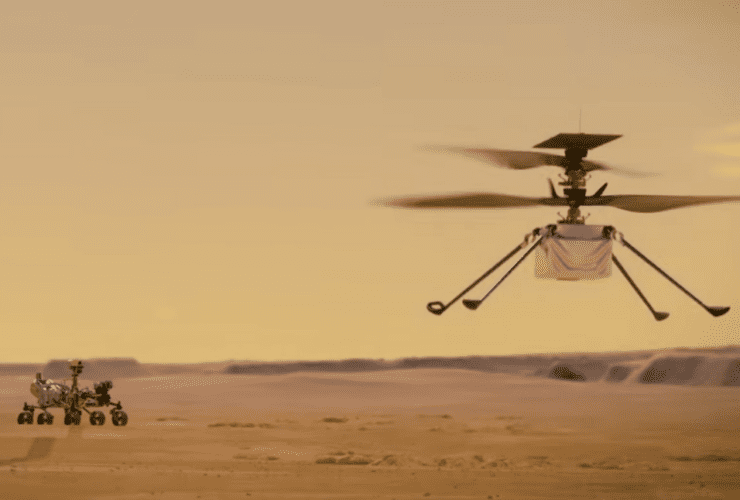
Ingenuity strikes again with its 31st flight on Mars! This time, NASA’s helicopter takes a chance to explore some ancient Martian ground. The Perseverance rover, the little helicopter’s companion, has been investigating the remains of a long-dry river delta for ...
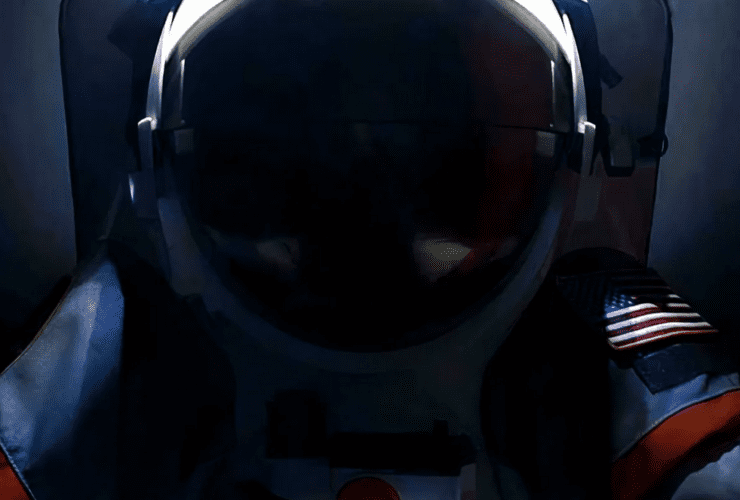
NASA plans to dress its astronauts in style for the Artemis III mission! As fancy as that sounds, there’s more than meets the eye. The ambitious fashion project will cost the space agency $228.5 million for some Moonwalking spacesuits that ...
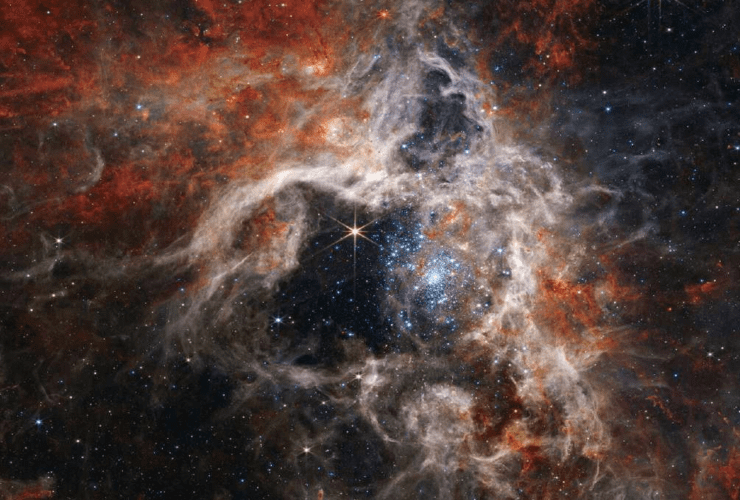
NASA’s James Webb Space Telescope has captured a spooky giant space tarantula, where the biggest and hottest stars live. The Tarantula Nebula, aka 30 Doradus, is actually known as the ‘brightest star-forming place in the galaxies nearest our galaxy,’ according ...
James Webb Space Telescope captures the first direct image of an extraterrestrial world, and by the looks of it, we sure have a lot to explore. The space telescope’s success is once again proved by new data showcasing more puzzle ...
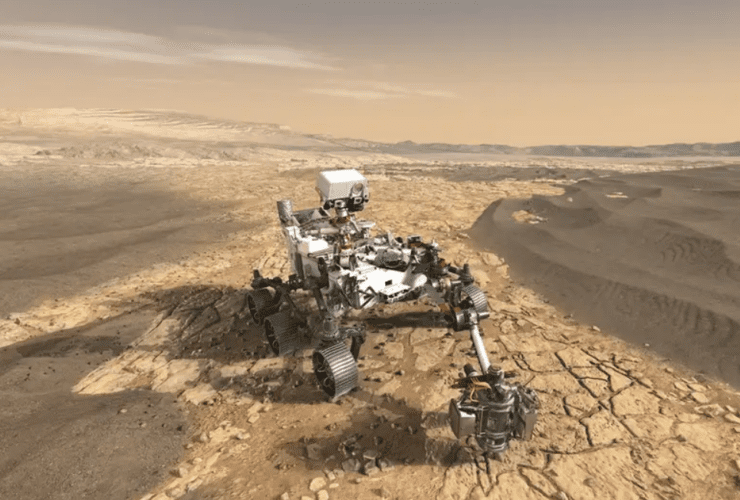
NASA’s Moxie (Mars Oxygen In-Situ Resource Utilization Experiment) has created almost 100 minutes of breathing oxygen, increasing prospects for future crewed expeditions. MOXIE succeeded in developing oxygen even if extreme temperatures and dust storms threatened the mission. It actually continued ...
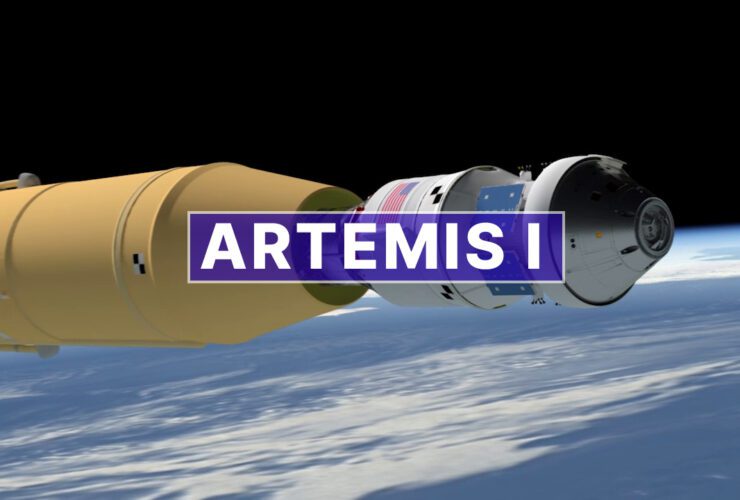
The launch of NASA’s large, brand-new moon rocket, known as the Space Launch System, has been postponed (SLS). The controllers had a difficult time bringing an engine on the 100-meter-tall vehicle down to the right temperature at which it could ...
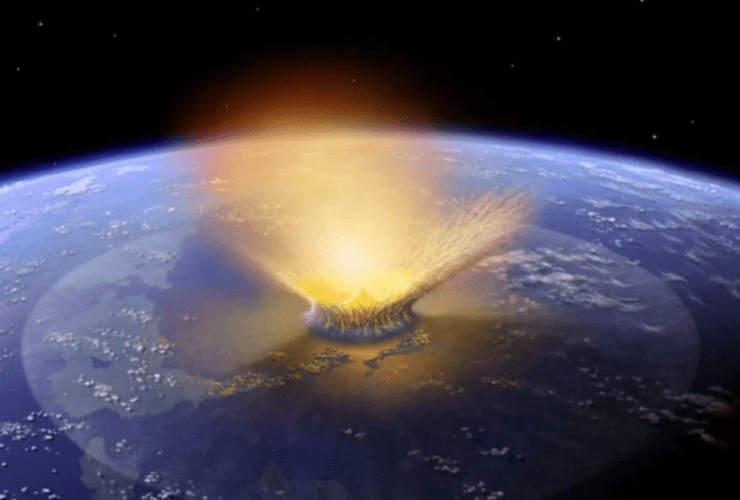
If you think dinosaurs had it worst, what may have happened with Earth after that, it’s even more terrible. A second asteroid possibly striking Earth at the same time as the one thought to have wiped out almost all dinosaurs ...
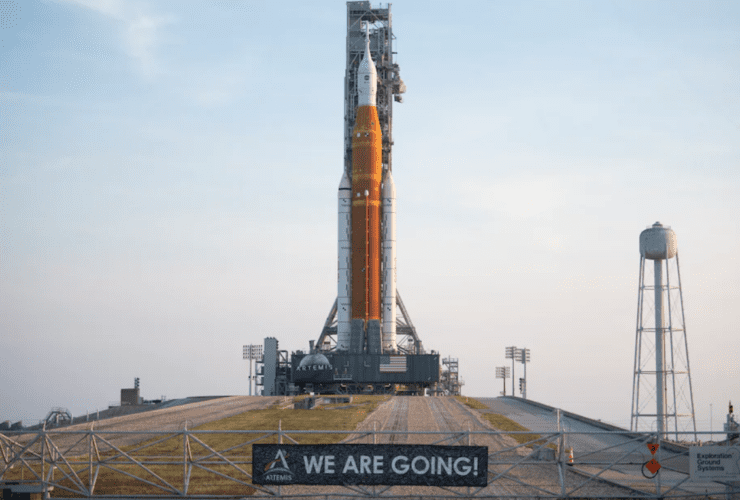
Engineers fuelled the SLS (Space Launch System) rocket for a Monday (August 29) launch on NASA’s long-overdue Artemis I test mission. And that’s after months of troubleshooting, tests, and repairs. Unfortunately, the event didn’t go as planned. Officials were forced ...
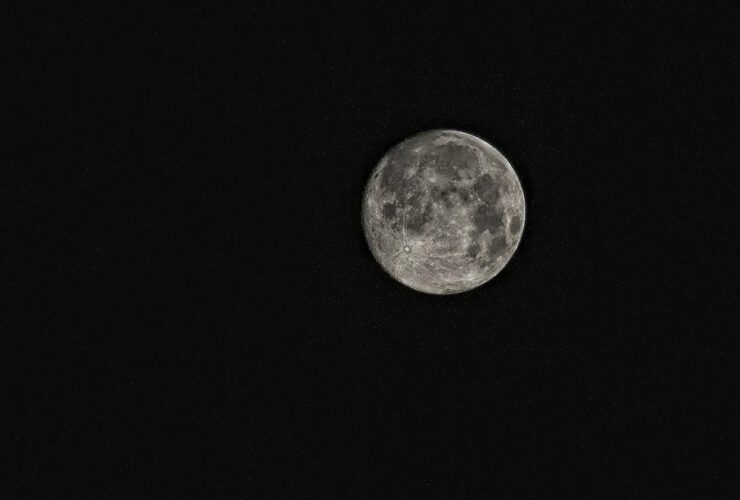
On Monday, Earth will take a leap across the sky that hasn’t been attempted in half a century as it lifts off from its Florida launchpad, completing a vital test phase before humanity’s journey to the lunar surface for the ...
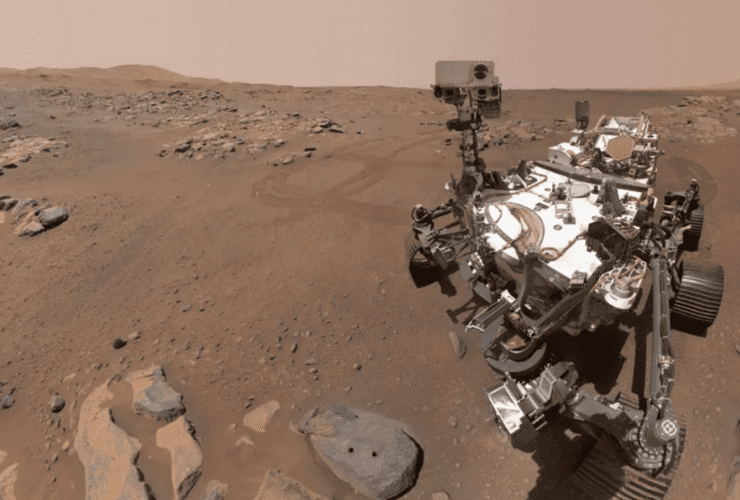
Since the Mars Perseverance Rover landed on Mars, it has been a fascinating year and a half. Now, fresh data is coming in, and it contains a few surprises. The rover, roughly the size of a car and equipped with ...
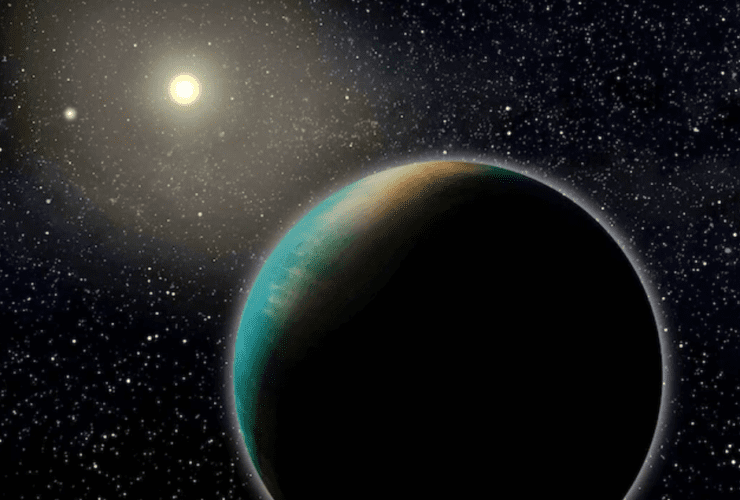
Astronomers have found an Earth-like, bigger planet that could have deeper oceans and two sons. Do you ever think about what possibilities our Solar System holds? Like, are we really that different? Or alone? The discovery of Earth-like planets is ...
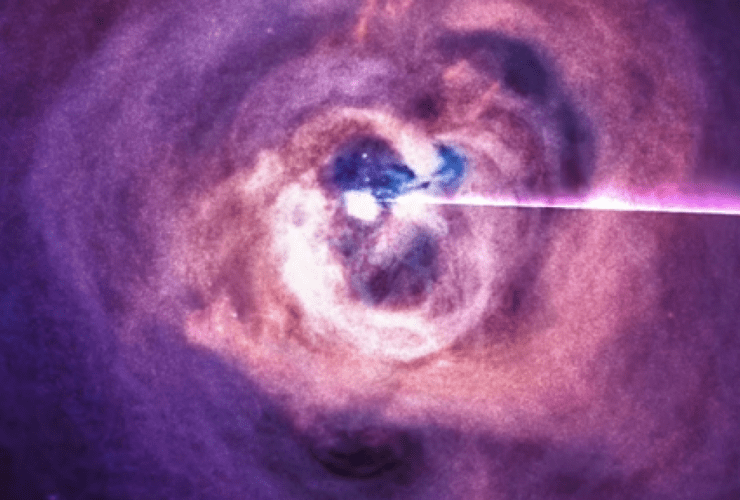
Did you know that no one can hear you scream in space since sound waves can’t pass through the vacuum that fills most of the cosmos? Well, as curious as that could be, there’s more of it. According to NASA, ...