

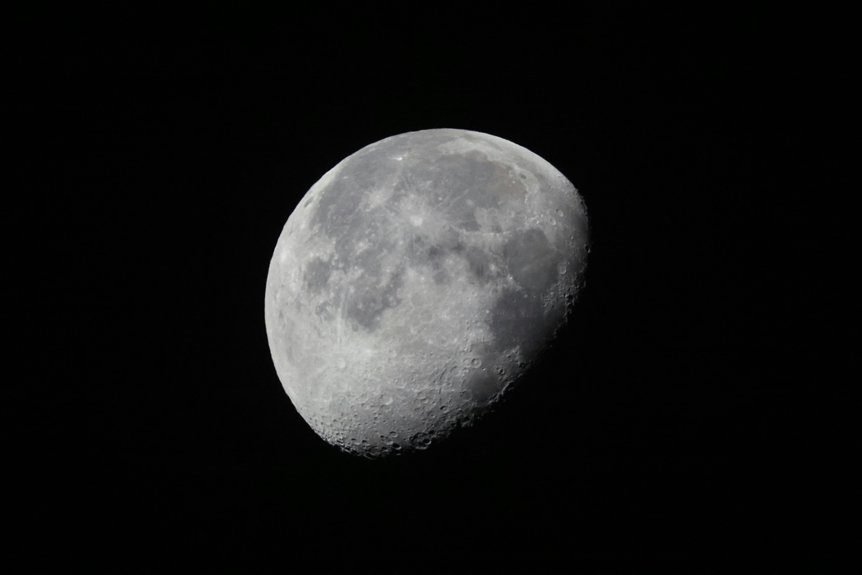
The Beaver Moon, November’s full moon, originates from Native American and colonial traditions marking the time to trap beavers before winter. It symbolizes preparation, resilience, and adaptation to seasonal change. This moon reminds you to respect natural rhythms and the importance of hard work and survival. Observing it can deepen your connection with nature’s cycles and prompt reflection on endurance. Exploring its history and cultural meaning offers further insight into its role and significance.
The Historical Origins of the Beaver Moon
The Beaver Moon has its roots in Native American and early colonial traditions, where it marked a specific time in the lunar calendar.
You’ll find that Native American tribes used lunar calendars to track seasonal changes essential for survival. This full moon in November signaled when beavers were actively preparing for winter, making it an ideal time to set traps.
Early colonists adopted this naming to coordinate hunting and trapping activities. By understanding these origins, you recognize how the Beaver Moon functions as a practical guide, rooted in observation and timing, reflecting a natural rhythm aligned with freedom in nature’s cycles.
Symbolism and Meaning in Nature and Culture
Although many moons carry specific names, the Beaver Moon holds unique symbolism connected to both nature and human culture.
In moon mythology, it marks a time of preparation and survival. Lunar rituals often honor this phase as a moment to reflect on resilience and resourcefulness.
You can see its meaning in:
- The beaver’s industrious nature, symbolizing hard work
- The shift into winter, emphasizing readiness
- Cultural stories linking the moon to cycles of life
- A call to respect natural rhythms for freedom and balance
Understanding this helps you connect deeply with nature’s enduring lessons.
Ways to Celebrate and Connect With the Beaver Moon
When you want to honor the Beaver Moon, there are several meaningful ways to engage with its symbolism and natural timing.
You can organize moonlit gatherings where you observe the full moon’s glow, fostering a connection with nature’s rhythms. Incorporating beaver themed activities, like crafting with wood or learning about beavers’ role in ecosystems, deepens your appreciation for this lunar event.
Reflecting on themes of preparation and resilience aligns your mindset with the season. These practices allow you to celebrate the Beaver Moon thoughtfully, blending cultural significance with personal reflection and environmental awareness.
Frequently Asked Questions
What Time Does the Beaver Moon Typically Rise Each November?
The Beaver Moon typically rises around sunset in November, though exact moonrise timing depends on your location.
This timing aligns with the lunar phases, as full moons generally rise at sunset and set at sunrise.
You can expect the Beaver Moon to appear in the eastern sky as darkness falls, providing a clear indication of the full lunar phase.
Tracking moonrise times helps you observe this event precisely and appreciate its natural rhythm.
How Does the Beaver Moon Affect Tides and Weather Patterns?
The Beaver Moon influences tide patterns by creating higher than usual tides, known as spring tides, due to the moon’s alignment with the sun and Earth.
These tides can affect coastal areas considerably.
Regarding weather influence, the Beaver Moon itself has minimal direct impact; however, seasonal changes around November may coincide with shifts in weather patterns.
Are There Any Superstitions Linked Specifically to the Beaver Moon?
Yes, you’ll find superstitions tied to the Beaver Moon rooted in beaver folklore and November traditions.
Some believe this full moon signals a time to prepare for winter, reflecting the beaver’s activity of building lodges and storing food.
Others think the moon influences luck in trapping or hunting.
These beliefs stem from cultural practices where the moon guides seasonal readiness and survival, offering practical wisdom rather than mystical power.
Can the Beaver Moon Be Seen Worldwide or Only in Certain Regions?
The Beaver Moon visibility depends on your location, but generally, it can be seen across most parts of the world.
Global moonwatching allows you to observe this full moon from both Northern and Southern Hemispheres, though exact timing varies by time zone.
While weather and local horizons affect your view, the phenomenon itself is global.
What Distinguishes the Beaver Moon From Other Full Moons in November?
The Beaver Moon stands out among November’s moon names because it marks a specific lunar phase linked to natural cycles and human activity.
Its lunar symbolism reflects the time when beavers actively prepare lodges for winter, representing readiness and survival.
Unlike other full moons that might highlight harvest or frost, this moon emphasizes the balance between nature’s preparation and the coming cold, offering a unique perspective on seasonal change and lunar influence.