

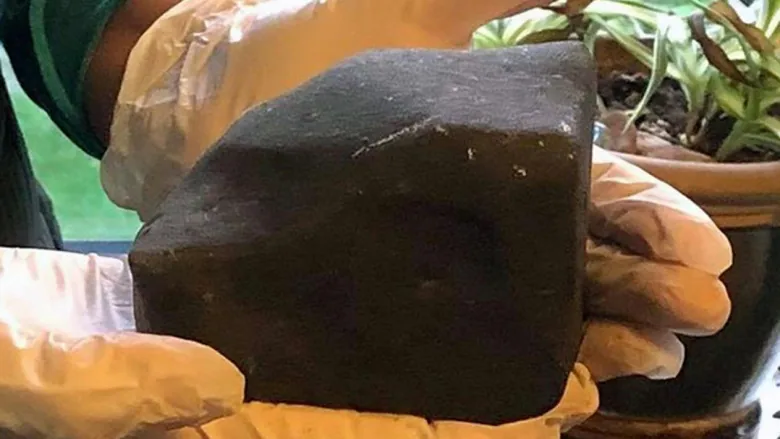
A Space Mineral With Real-World Power
You probably haven’t heard of tridymite. But that’s about to change. This obscure mineral, first discovered in meteorites and found on Mars, is now making waves on Earth. Researchers at Columbia University have confirmed tridymite’s freakish ability to manage heat without losing efficiency. In an age where energy use, emissions, and heat management drive tech innovation, that’s a game-changer.
And yes, this has real implications—not just for scientists, but for how your steel gets made and how your AI runs cooler.
Why Tridymite Defies Physics (and Why You Should Care)
Heat transfer usually works like this:
-
Crystals lose conductivity as they heat up
-
Glasses do the opposite
Tridymite does neither. It maintains a constant thermal conductivity across extreme temperatures, from cryogenic to scorching industrial levels. That stability opens new doors in heat-intensive industries like:
-
Steel production (lower fuel use, lower emissions)
-
Aerospace materials (resistance under thermal stress)
-
AI chipsets (cooler operations = faster computing)
Columbia scientists didn’t just stumble into this. They used machine learning to build a universal equation for heat movement in materials that blur the line between crystal and glass. Tridymite is the poster child—and the first real-world proof that this model works.
Steel’s Carbon Problem Meets a Thermal Solution
Refractory bricks in steel plants face years of thermal punishment. The Columbia team predicts tridymite naturally forms inside these bricks over time. If harnessed intentionally, this could drive down the sector’s energy usage, and its massive carbon footprint.
Why this matters:
-
Steel production is one of the top CO₂ emitters globally
-
Better heat insulation = less energy wasted
-
Tridymite can make current infrastructure greener, without redesigning the entire process
AI Hardware Just Got a New Ally
Tridymite’s thermal stability isn’t just good for industry, it’s ideal for high-performance electronics. Think next-gen GPUs, neural processors, and wearable tech. When chips overheat, performance drops and devices die early. Materials like tridymite could flip that script.
Researchers are already looking into how these hybrid structures affect:
-
Electron flow
-
Magnetic spin (used in quantum and magnetic computing)
-
Power density and durability in compact devices
The findings were published in PNAS, but the story’s just starting. Future research will explore:
-
Tridymite’s behavior under real-world industrial conditions
-
How it can be engineered into smart materials
-
Its presence on Mars and what that tells us about planetary heat dynamics
This isn’t science fiction. Tridymite is here, it’s measurable, and it works. The race now is who applies it first, steel manufacturers? Chipmakers? Aerospace leaders? Whoever gets there fastest could unlock massive efficiency gains and a serious edge.
If you’re in materials science, AI hardware, or clean tech, pay attention. This is how the future handles heat.
