
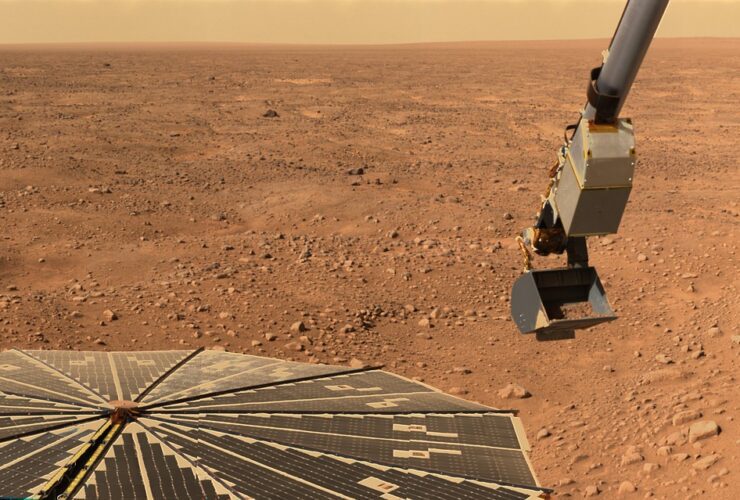
NASA’s Mars rovers have discovered several anomalies in the Martian terrain. Curiosity took a picture of what seemed like a doorway only a few months back. A fresh photograph from the Perseverance lander is drawing attention to what seems to ...
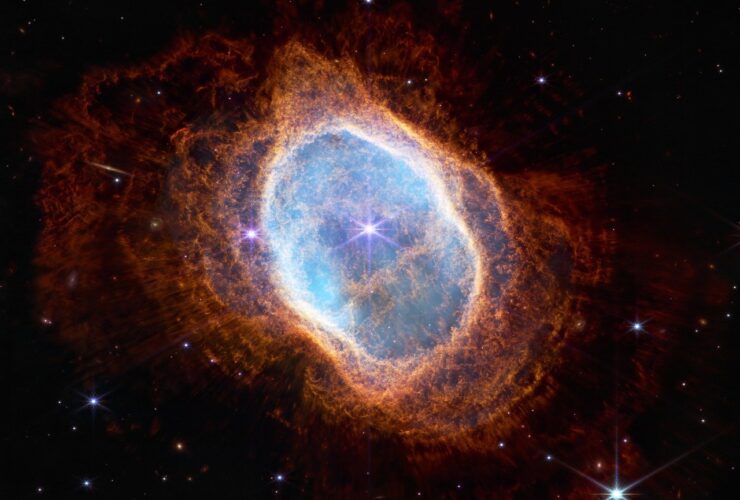
Less than a week ago, we gladly shared the news about NASA’s James Webb Space Telescope (JWST) revealing the first full-color images of the Universe’s depths. We’ve seen new images of stars, galaxies, nebulae, and more. We’re talking about the ...
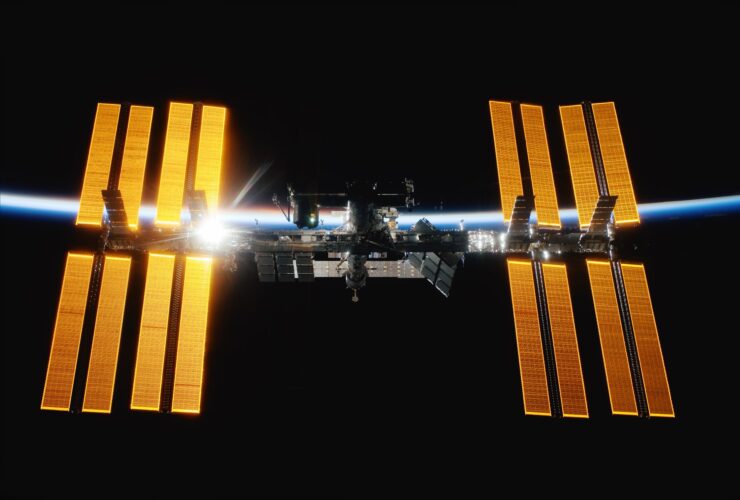
SpaceX is once again sending supplies to the International Space Station (ISS). A Falcon 9 rocket of the American spacecraft manufacturer lifted cargo towards the ISS on Thursday, after a launch that took place from the Kennedy Space Center of ...
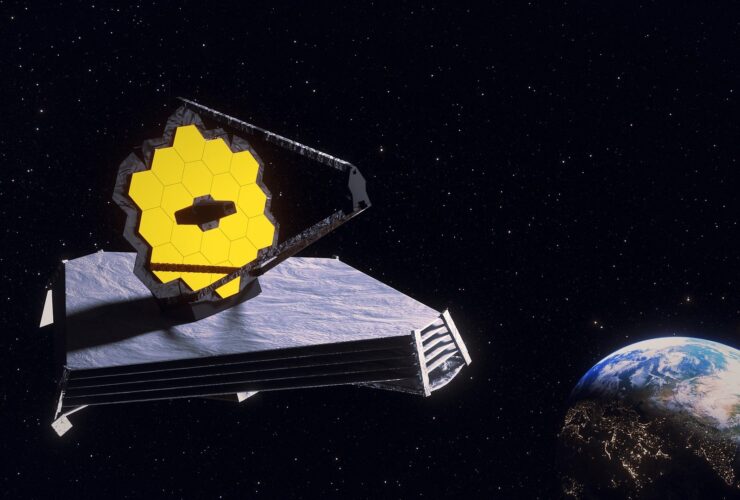
The world’s most powerful space telescope ever built, meaning NASA’s James Webb Space Telescope (JWST), released its first full-color images of the distant Universe yesterday, July 12. But that wasn’t all the new stuff that JWST has in store for ...
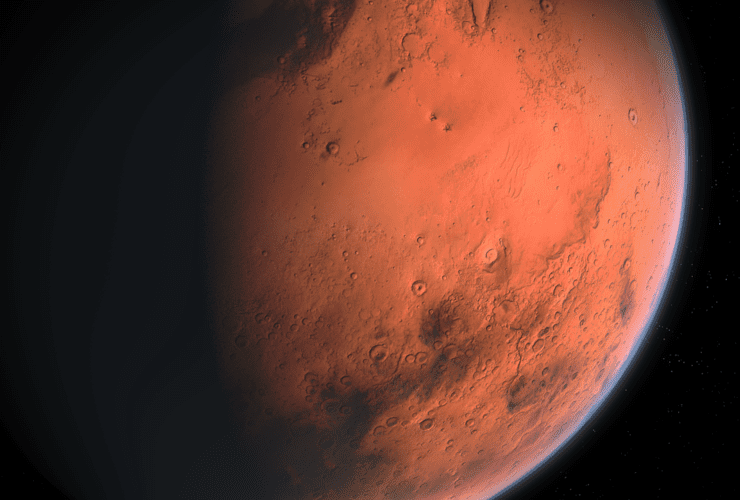
China’s National Space Administration (CNSA) reported on June 29 that the Tianwen-1 space probe has skilfully obtained photographs of the whole Red Planet over a year of exploration. “Quest for Heavenly Truth” Tianwen-1 is composed of six different spacecraft: an ...
As we revealed back in early June, NASA unveiled today, July 12, the first photos that the James Webb Space Telescope (JWST) took of the Universe. You can feast your eyes on all five images via the space agency’s official ...
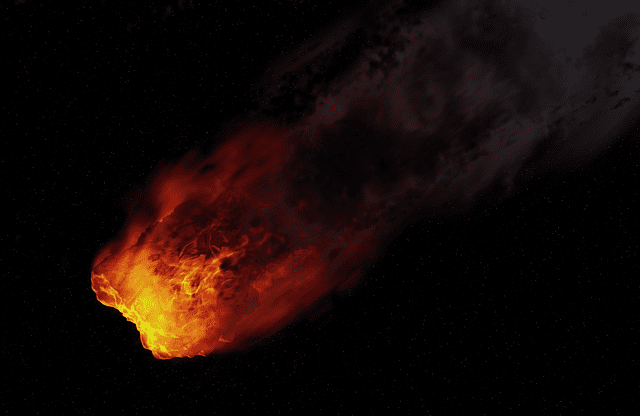
The possibility of a planet-killing asteroid appearing out of nowhere, as shown in current media, is slim. Even smaller ones that might merely destroy a city or part of a continent attract enough attention to determine whether they’re a danger. ...
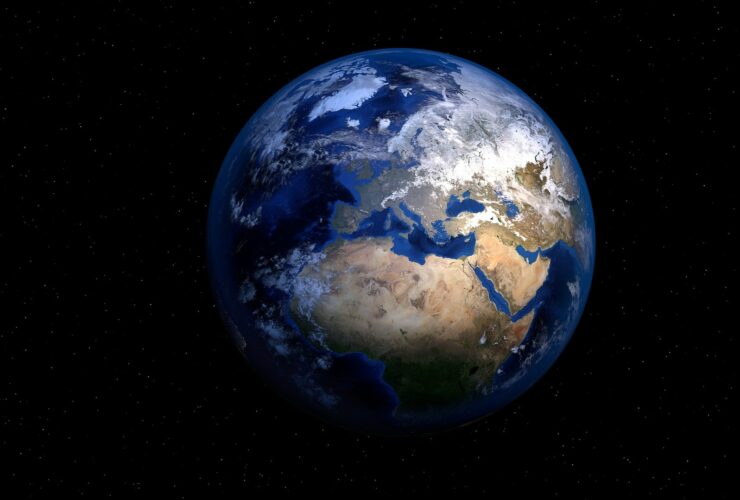
Scientists at MIT have resurrected a notion from the recent past to potentially mitigate the consequences of global warming. We might merely float a high-tech bubble parasol above the Earth to provide some shade while we work on reducing our dependence ...
The most detailed and precise infrared picture of our cosmos has been released by NASA. For the first time, NASA’s James Webb Space Telescope has taken a full-color photograph of the faraway universe. Credit: NASA, ESA, CSA, and STScI These ...
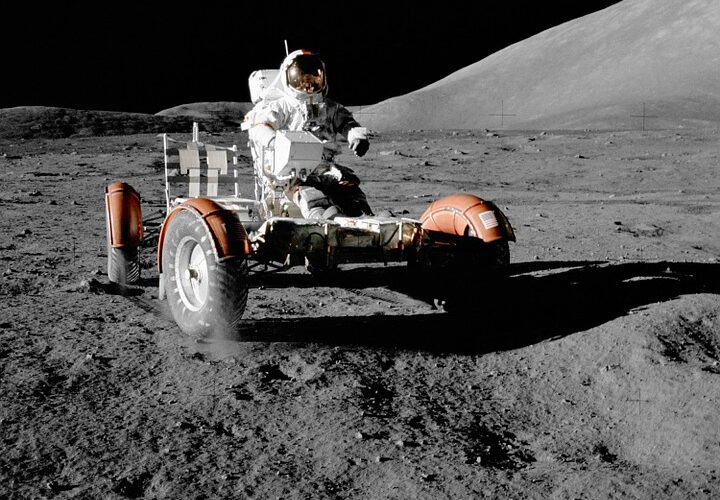
Space development in the not-too-distant future is expected to feature lengthier periods in low gravity situations, whether orbiting or on another globe. There is a problem, however, with extended stays in outer space; new study has shown that astronauts may lose ...
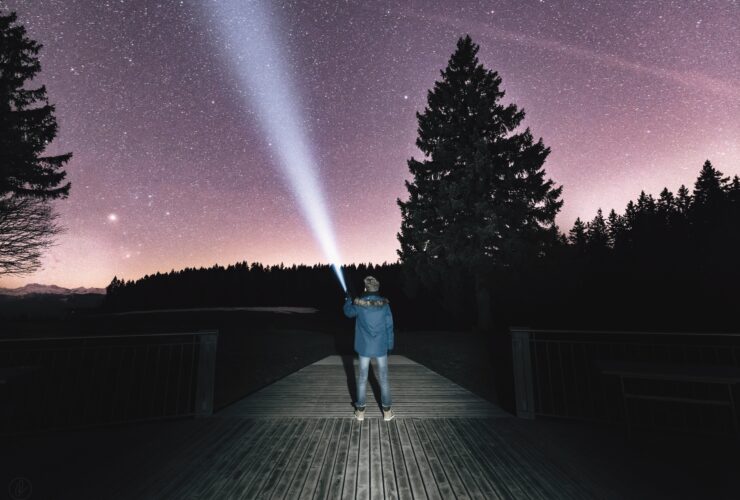
The speed of light (300,000km/s) is the fastest possible speed that the laws of nature can allow. Or at least that’s what Albert Einstein thought. But what if the great physicist was wrong? No disrespect intended for him, but everybody ...
Some calculations done by scientists at the University of Edinburgh in the UK indicate the possibility that quantum signals could be used to establish communication over vast distances, which implies that our technology may need to be updated in order ...
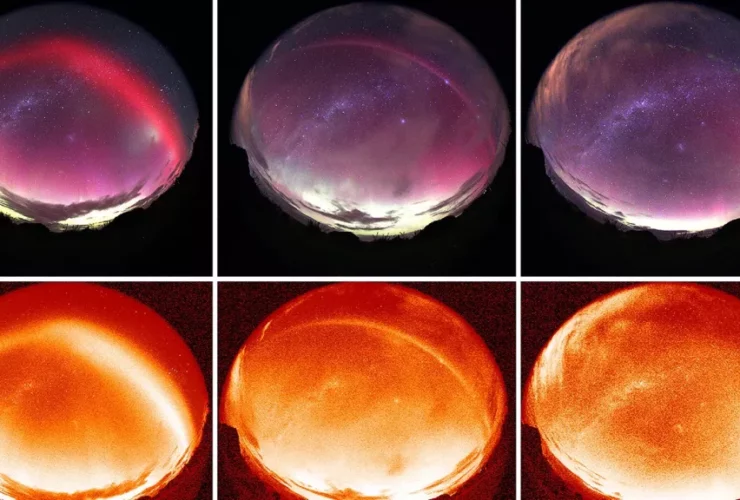
A blood-red arc of light appeared in the sky above New Zealand on March 17, 2015. The spooky strip of light dubbed as STEVE was watched by an amateur skywatcher for another half hour before it was turned into one ...
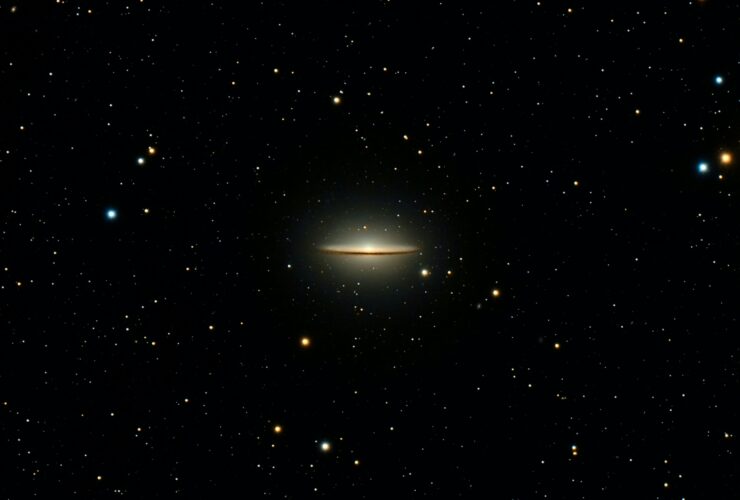
We can simulate the Solar System’s planet movements quite precisely using Newton’s rules of physics. Disc galaxies, on the other hand, were found in the early 1970s to defy Newton’s theory, with stars at their outer borders moving far faster ...
A team of researchers has discovered the building elements of RNA in our galaxy. Frontiers in Astronomy and Space Sciences published their results. Astronomers found some of these building pieces in a cloud located near the core of our galaxy, ...
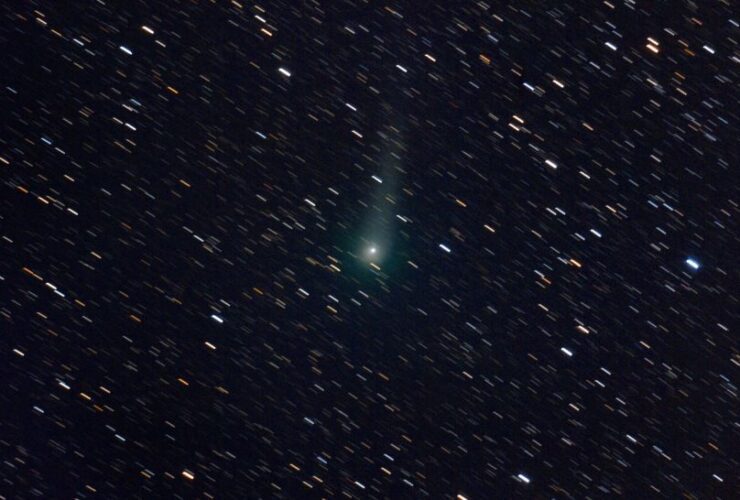
An astrophysicist took this shot with a long exposure on June 18, 2018, just before the megacomet made its closest visit to Earth. The image shows the comet glowing in the darkness. Comet C/2017 K2 (PANSTARRS), also known as K2, ...
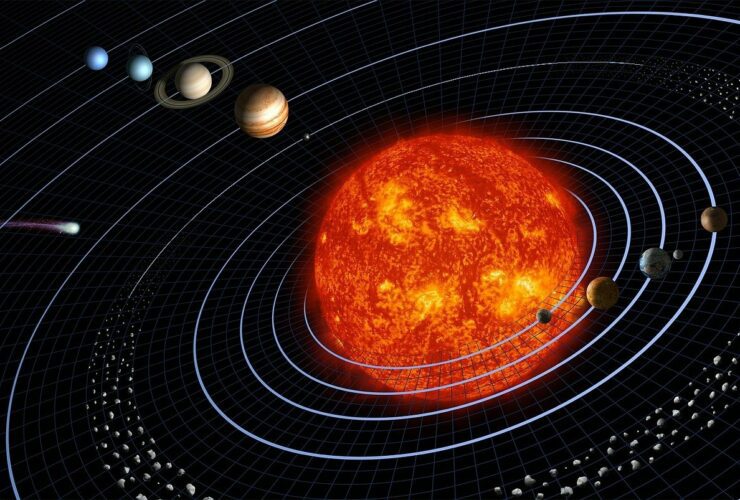
It’s important to know how steady the solar system is. The unpredictable and complicated character of the forces at play means that even minor gravitational impacts may have significant consequences because of their relative stability in human and historical perspectives. ...
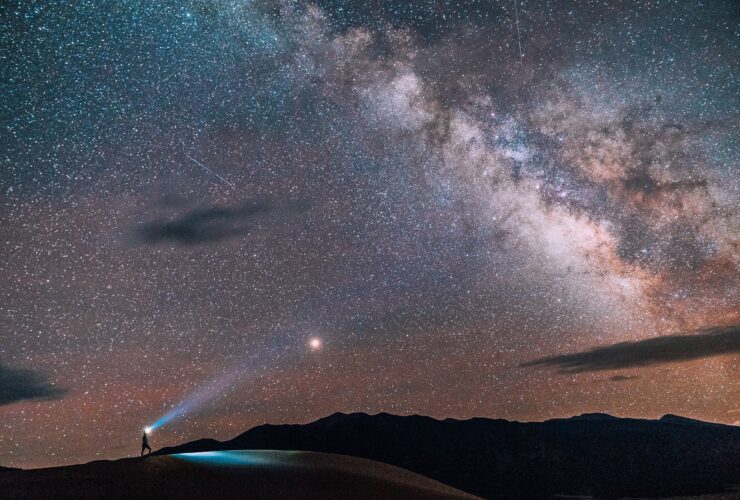
The Sagittarius A* supermassive black hole located at the heart of our Milky Way galaxy is a true two-edged cosmic sword. While anything that gets too close will be trapped for eternity, the black hole also has the beneficial roles ...

When the Sun has fallen underneath the horizon or is just about to rise, noctilucent formations, often known as “night-shining” clouds, are the most common. They only emerge in the North Hemisphere skies for a few weeks each summer, and ...
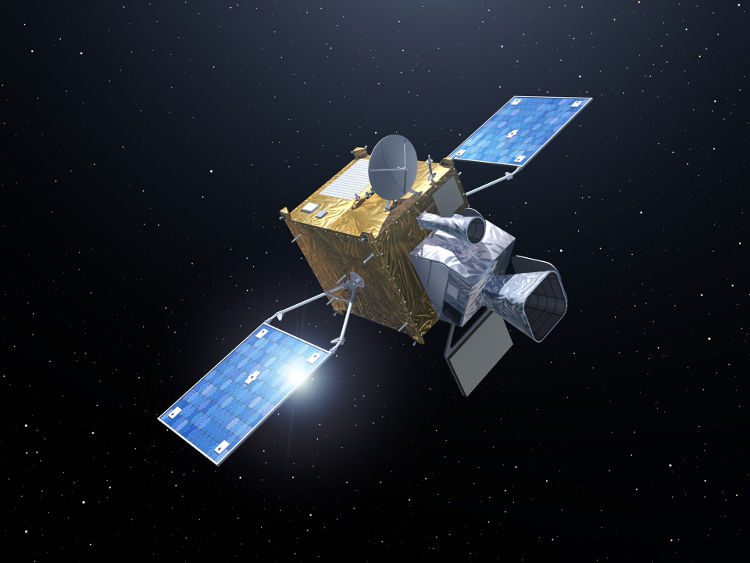
One of NASA’s spacecrafts has lost touch after it broke off of the Earth’s gravity on its journey to the moon, according to reports. On Tuesday, the small CubeSat lost contact with the Deep Space Network and has not been heard ...
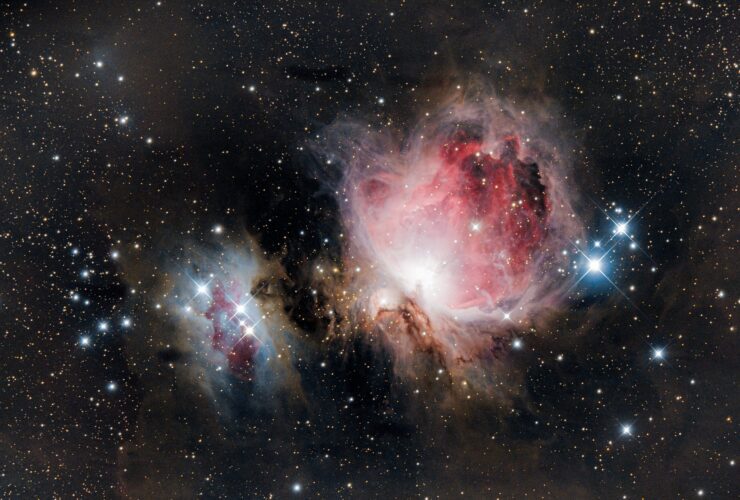
The most recent addition to NASA’s deep-space observatory fleet will soon begin focusing its attention on an area not too far away that is teeming with newborn stars. The James Webb Space Telescope is nearly finished with its commissioning process ...
Most astrophysicists agree that our Universe was born along with the Big Bang. However, that doesn’t necessarily mean that nothing existed before the birth of our Universe itself. Something totally different might have existed that cannot actually be considered part ...
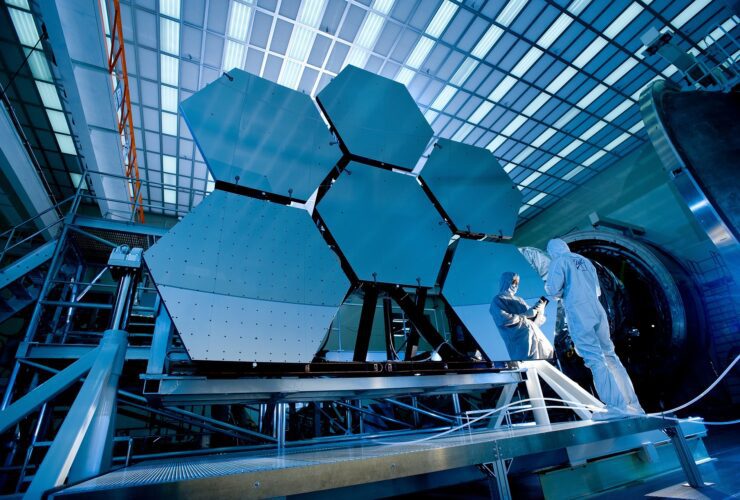
All the astronomers and those passionate about the wonders of the Cosmos are impatiently waiting for NASA’s next-generation James Webb Space Telescope to reveal the first full-color photos of the Universe in just a few days. That event is scheduled ...
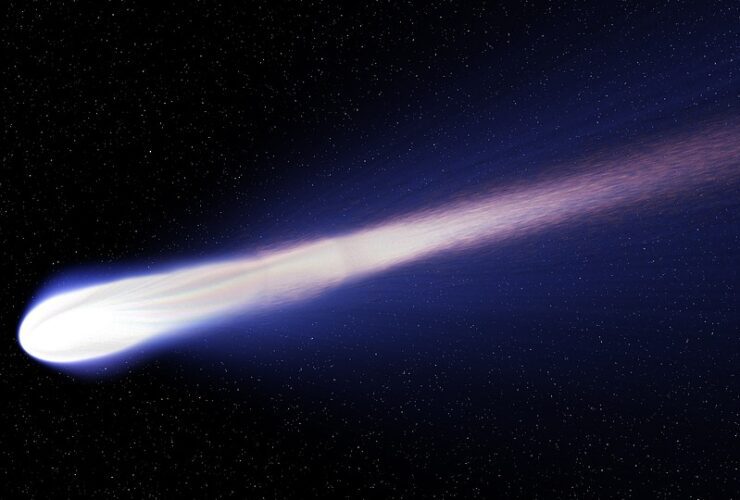
A comet more than double the magnitude of Mt. Everest has reached our solar system’s innermost reaches and will soon pass by our Earth’s orbit in the summer of this year. Originally identified by the Hubble Telescope throughout 2017 as ...
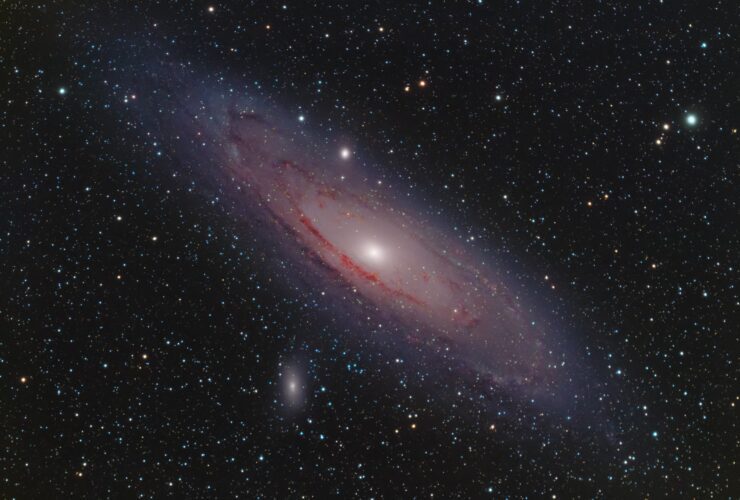
If you know about the Andromeda galaxy (aka Messier 31 or simply M31), you’re already well aware a bit of how incredible our Universe is. Andromeda is a galaxy more than twice as big as the Milky Way, and it’s ...