

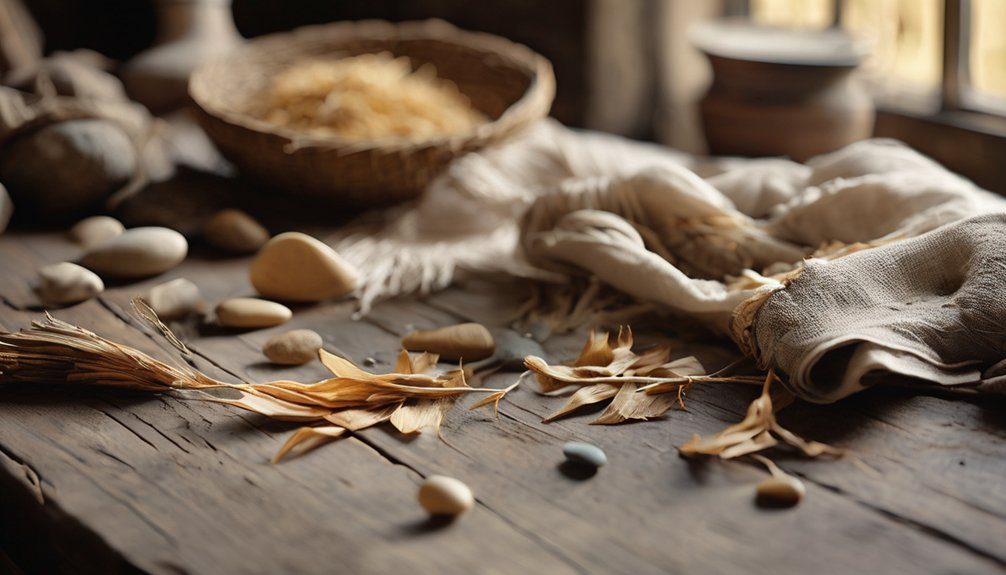
Before toilet paper became common, people relied on various natural materials and methods based on location and culture. You might have used leaves, smooth stones, moss, or water for cleansing. In ancient civilizations like Rome and Egypt, hygiene was tied to ritual and health practices. During medieval times, tools such as cloth or sponges were common, especially among wealthier groups, while others used simple natural alternatives. These evolving methods eventually led to modern toilet paper developments and innovations. Discovering these practices reveals how hygiene has adapted over time.
Ancient Hygiene Practices Across Civilizations
Although modern toilet paper is a relatively recent invention, people have practiced personal hygiene for thousands of years using a variety of materials.
In ancient civilizations, hygiene rituals were essential to daily life and often tied to cultural or religious beliefs. You’ll find that societies such as the Romans, Egyptians, and Greeks developed specific methods for cleansing after using the restroom, reflecting their values and available resources.
These hygiene rituals were practical and sometimes symbolic, emphasizing cleanliness as a form of freedom from discomfort and disease. Understanding these ancient practices helps you appreciate the evolution of personal hygiene over time.
Natural Materials Used for Personal Cleaning
Leaves, stones, and water have served as common natural materials for personal cleaning across many cultures. You’d find leaves usage varied depending on the type and availability, often chosen for their softness or durability.
Stones, typically smooth, provided a reusable option in some communities. Water cleansing remains a fundamental practice worldwide, offering effective hygiene without waste. This method relies on running or stored water to rinse and clean after use.
Understanding these natural materials shows how societies adapted to their environment to maintain cleanliness and health before modern conveniences like toilet paper existed.
Tools and Techniques in Medieval Times
When you explore personal hygiene practices in medieval times, you’ll notice that people relied on a variety of tools and techniques tailored to their environment and social status.
Medieval sanitation practices often involved using cloths, sponges, or even sticks depending on what was accessible. Hygiene tools varied widely; wealthier individuals might use soft fabrics or water, while peasants depended on natural materials like leaves or moss.
Communal latrines and chamber pots also played roles in managing waste. These methods reflected practical adaptations rather than modern comforts, highlighting how medieval societies balanced resource availability with hygiene needs effectively.
Cultural Variations in Cleansing Methods
Hygiene practices in medieval times varied considerably based on local customs and available resources, setting the stage for a broader look at how different cultures approached cleansing before toilet paper.
In many regions, water cleansing was the primary method, valued for its effectiveness and hygiene. Some communities developed communal practices, sharing cleansing tools or designated washing areas to maintain cleanliness.
Others relied on natural materials like leaves, stones, or even snow depending on climate and availability.
Understanding these cultural variations reveals how human ingenuity addressed basic needs long before modern conveniences emerged, reflecting adaptability rooted in environment and tradition.
Transition to Modern Toilet Paper Innovations
Although people relied on many different materials for personal cleansing in the past, the shift toward modern toilet paper began with innovations in paper manufacturing and hygiene awareness during the 19th century.
You’ll find that mass production made toilet paper affordable and accessible, replacing traditional methods.
Today, modern alternatives focus on sustainability, offering biodegradable options that reduce environmental impact.
These innovations allow you to choose products that balance comfort and ecological responsibility.
As awareness grows, manufacturers continue developing new materials and designs, ensuring you have effective, convenient, and environmentally conscious choices for personal hygiene in everyday life.
Frequently Asked Questions
When Was Toilet Paper First Commercially Produced?
You’d be surprised that toilet paper was first commercially produced in 1857. Embracing hygiene innovations, it freed people from ancient practices, giving you more comfort and freedom in daily life.
How Did Hygiene Practices Affect Health Historically?
You’ll see that historical hygiene directly shaped health implications—poor practices led to disease spread and limited freedom. Improving cleanliness empowered communities, reducing illness and boosting well-being, so you can enjoy a healthier, freer lifestyle today.
Were There Any Religious Rules About Personal Cleaning?
Yes, you’ll find many religious rules tied to personal cleaning, shaped by cultural practices and historical beliefs. These guidelines aimed to promote purity, reflecting how faith influenced daily hygiene and your freedom to maintain cleanliness.
What Materials Are Used in Modern Eco-Friendly Toilet Paper?
You’ll find modern eco-friendly toilet paper uses bamboo fibers and recycled paper, giving you freedom to choose sustainable options. These materials reduce waste and environmental impact, letting you stay clean while protecting the planet effortlessly.
How Did the Invention of Plumbing Impact Toilet Paper Use?
The plumbing evolution transformed sanitation improvements, so you can enjoy cleaner, more efficient waste disposal. It made toilet paper use widespread and practical, giving you the freedom to prioritize hygiene without worrying about disposal methods.