

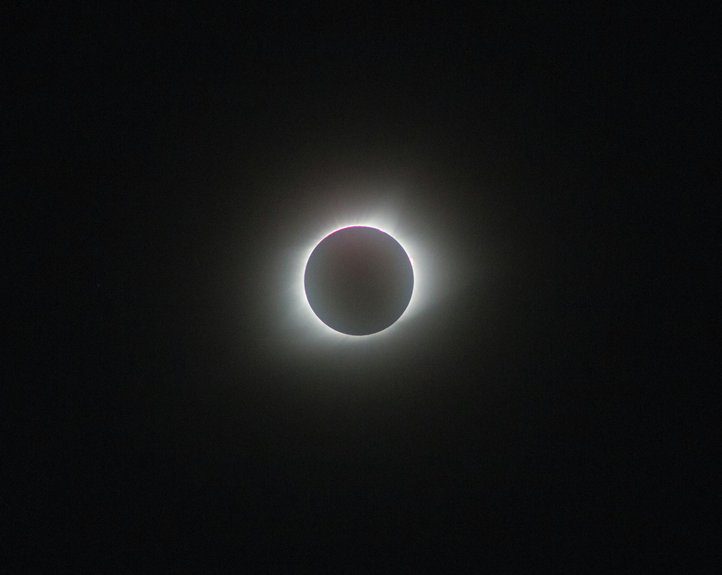
NASA’s detection of a coronal hole signals an area where the Sun’s magnetic field opens, allowing high-speed solar wind to escape into space. This increased solar wind can impact Earth’s space weather, causing geomagnetic storms that may disrupt satellites, GPS, and power grids. By monitoring these holes, scientists can better forecast changes and help protect technology you rely on daily. Understanding these dynamics will reveal how solar activity influences our planet’s environment and infrastructure.
Understanding Coronal Holes and Their Formation
Although coronal holes may seem like mysterious dark spots on the Sun’s surface, they actually represent areas where the Sun’s magnetic field opens up and allows solar wind to escape more easily into space.
Coronal hole formation occurs when the Sun’s magnetic field lines stretch outward instead of looping back to the surface. This change alters the solar atmosphere interactions, creating regions with lower density and temperature compared to surrounding areas.
As a result, these openings let charged particles flow freely into space, contributing to streams of solar wind. Understanding these processes helps you grasp how the Sun’s magnetic dynamics shape the solar atmosphere.
How Coronal Holes Affect Space Weather on Earth
Coronal holes play a significant role in shaping space weather conditions experienced on Earth.
These regions, identified by their distinct coronal hole characteristics such as lower density and open magnetic field lines, allow solar wind to escape more freely into space. When these fast streams of charged particles reach Earth, they interact with our planet’s magnetic field, causing geomagnetic storms and auroras.
Understanding the solar activity implications of coronal holes helps you anticipate changes in space weather that can influence satellite operations, communications, and power grids.
The Impact of Solar Wind From Coronal Holes on Technology
Solar wind streams from coronal holes can considerably affect the technology you rely on daily.
These high-speed particles interact with Earth’s magnetic field, sometimes causing disturbances that lead to satellite interference. This interference can disrupt communication signals, GPS accuracy, and data transmission, affecting navigation and telecommunications.
Additionally, solar wind can impact solar technology by causing fluctuations in power output or damaging sensitive components in solar panels.
Power grids may also experience voltage instability due to induced currents from geomagnetic storms linked to coronal hole activity.
Understanding these effects helps you appreciate the importance of monitoring solar wind conditions, as they directly influence the reliability of modern technologies.
Staying informed allows engineers and operators to take precautionary measures that minimize disruptions caused by solar wind from coronal holes.
Monitoring Coronal Holes for Future Space Weather Predictions
Because these holes serve as sources of high-speed solar wind, monitoring their size, location, and movement is essential for predicting space weather.
Coronal hole monitoring involves tracking these dark regions on the sun’s surface using satellite data and imaging techniques. By observing how coronal holes change, scientists can forecast the arrival and intensity of solar wind streams that influence Earth’s magnetic environment.
This information plays a vital role in space weather forecasting, helping to anticipate geomagnetic storms that may disrupt communication systems, navigation, and power grids.
Staying informed about coronal hole activity allows agencies and industries to prepare for potential impacts, minimizing risks.
Understanding these solar phenomena through consistent monitoring improves the accuracy of space weather predictions and supports better decision-making for protecting technology and infrastructure.
Frequently Asked Questions
Can Coronal Holes Cause Visible Auroras on Earth?
Yes, coronal holes can boost aurora visibility by increasing solar activity, sending charged particles toward Earth. When these particles interact with your atmosphere, you’ll see spectacular auroras, especially near polar regions during heightened solar events.
How Often Do Coronal Holes Appear on the Sun?
You’ll find coronal hole frequency varies with the solar cycle, appearing more often during its declining phase. They can show up several times a month or less frequently, depending on the Sun’s current activity level.
Are Coronal Holes Linked to Solar Flares or Sunspots?
Coronal hole characteristics differ from sunspots and solar flares, but you’ll find a solar activity correlation since coronal holes emit fast solar wind streams, sometimes influencing space weather differently than flares or sunspot-related events.
Can Coronal Holes Impact Human Health or Climate?
You won’t face direct health implications from coronal holes, but their coronal effects can disrupt Earth’s magnetic field, affecting satellites and power grids, which might indirectly influence your daily life and climate patterns over time.
What Instruments Does NASA Use to Detect Coronal Holes?
You’ll find NASA uses solar observatories equipped with advanced imaging technology, like the Solar Dynamics Observatory, to detect coronal holes by capturing detailed images of the sun’s atmosphere and monitoring solar wind patterns continuously.