

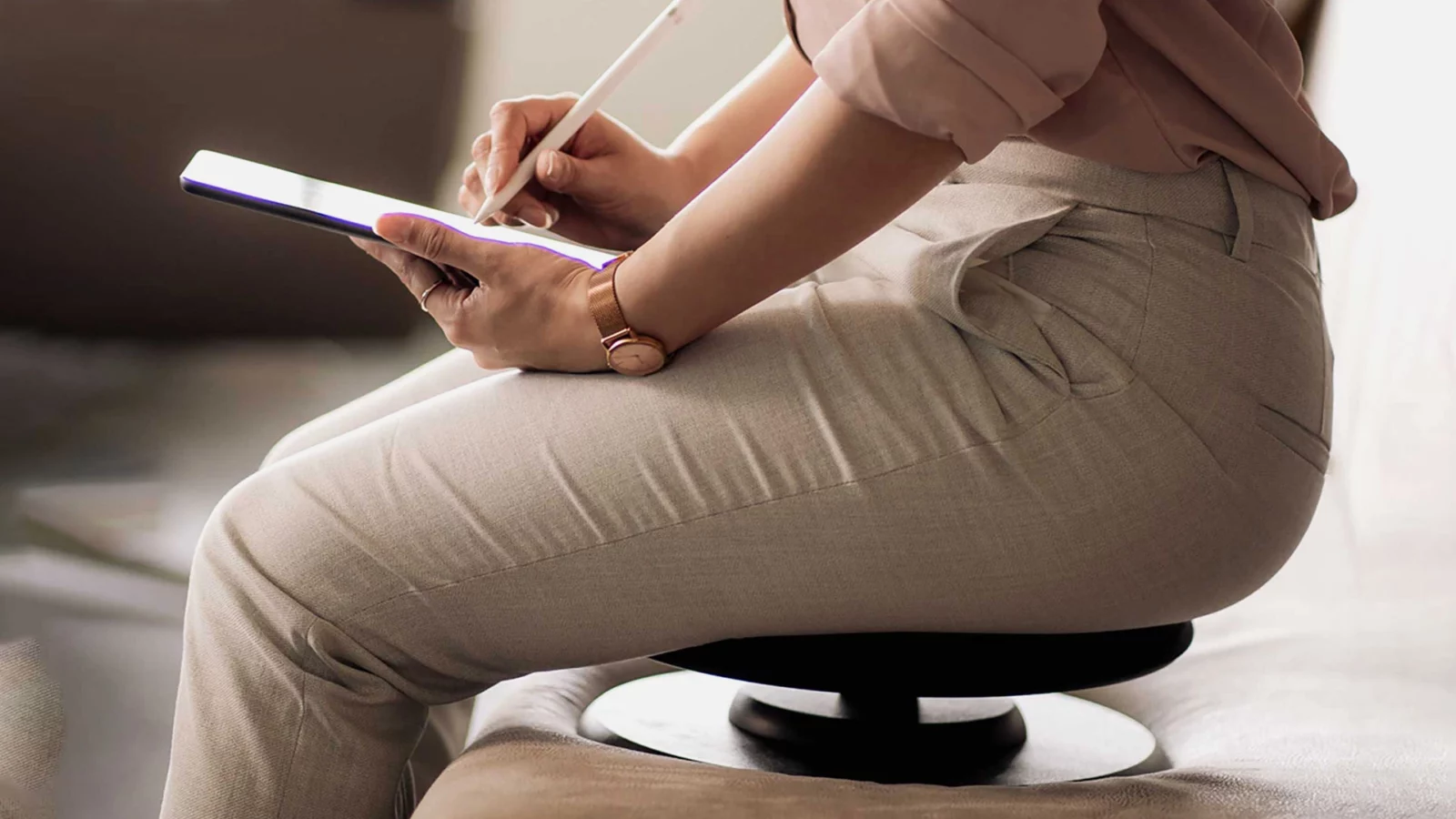
Sitting at a desk for eight or more hours a day isn’t just draining your energy—it’s flattening your backside. Experts call it “dead butt syndrome,” but most office workers know it as “office butt.” It’s more than a cosmetic issue: weak glutes affect posture, cause lower back pain, and reduce hip mobility. Luckily, with a few targeted moves, you can wake your muscles back up and avoid the pancake effect.
What Is “Office Butt”?
When you sit too long, your glute muscles shut down. They’re built to support your pelvis and stabilize your body, but in a chair, they stay inactive. Over time, this leads to weakness, tight hips, and even poor alignment. Left unchecked, “office butt” sets the stage for stiffness, pain, and long-term postural problems.
Exercises to Beat Flat Glutes
1. Squats – The Foundation
Squats are the go-to fix for lazy glutes. Start with bodyweight squats and progress to weighted ones. Consistency will help bring shape and strength back to your posterior.
2. Side Planks – Core + Glutes Together
Side planks may feel brutal, but they light up the glute medius, a key stabilizer. Keeping hips lifted builds endurance and balance while shaping the outer glutes.
3. Lunges – Multi-Angle Activation
Forward, reverse, and lateral lunges all engage different parts of your glutes. Add them to your warm-up or daily desk break routine to combat hours of sitting.
4. Monster Walks – Resistance Band Power
Loop a resistance band above your knees and take small, controlled steps sideways. This exercise wakes up dormant glutes and strengthens hip stabilizers.
Why It Matters
-
Better posture: Strong glutes prevent slouching and back pain.
-
More mobility: Active glutes make walking, climbing stairs, and exercising easier.
-
Confidence boost: A firmer, more rounded shape improves how you look and feel.
Ignoring “office butt” won’t make it go away. The fix isn’t complicated—it’s about adding short, intentional movements into your day and sticking with them.
Quick Q&A
Is “office butt” really dangerous?
Yes. Weak glutes can lead to hip and back pain, poor posture, and reduced movement quality.
How long does it take to fix?
With daily effort, most people notice changes in 4–6 weeks.
Do I need gym equipment?
No. Bodyweight exercises work, but resistance bands and dumbbells speed progress.
Can walking help?
Yes, but targeted exercises are more effective at reactivating and reshaping glutes.
Sitting too long flattens your glutes, but the fix is simple—stand up, move, and make squats, lunges, planks, and band walks part of your daily routine. Don’t let your desk chair define your body.