

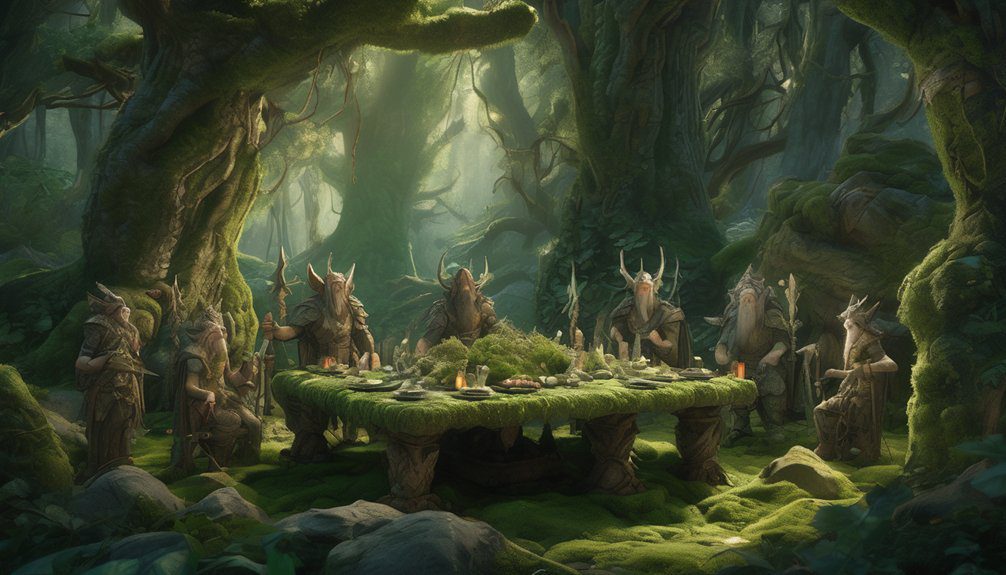
You can start by exploring classic fantasy races like elves, dwarves, and orcs, each with unique origins and abilities influenced by mythologies and cultures. Understand their traits and social structures to build authenticity. When creating original races, focus on defining clear physical features, cultural values, and adaptations, ensuring they logically fit your world’s geography and history. Integrating these races thoughtfully enriches your narrative and world dynamics. Further insights will expand your ability to craft compelling, consistent fantasy worlds.
Classic Fantasy Races and Their Origins
Although fantasy races vary widely across different stories and games, many of the classic races share common origins rooted in ancient mythology and folklore.
Understanding Elven Origins takes you back to Celtic and Norse myths, where elves often represented nature spirits or ethereal beings.
Similarly, Dwarven Legends trace their roots to Germanic and Norse traditions, depicting dwarves as skilled miners and craftsmen dwelling underground.
By exploring these foundational myths, you grasp the cultural significance and thematic roles these races have played.
This knowledge equips you to create authentic, meaningful characters that honor their rich, historical backgrounds.
Unique Traits and Abilities of Popular Races
Understanding the origins of classic fantasy races helps you appreciate the unique traits and abilities that define them in various stories and games.
Elves often possess heightened senses and powerful magical abilities tied to nature, while dwarves excel in craftsmanship and resilience.
Cultural differences shape these traits, influencing behaviors, social structures, and worldviews.
Orcs, for example, may exhibit fierce strength but also complex honor codes.
Recognizing these distinctions allows you to depict races authentically and enrich your narrative.
Creating Your Own Fantasy Races
When you create your own fantasy races, you start by defining their core characteristics, such as physical traits, cultural values, and abilities.
Consider how cultural influences shape their traditions, social structures, and worldviews.
Explore biological variations that distinguish them from other races, including unique adaptations or evolutionary traits.
Balancing these elements helps you build races that feel authentic and distinct.
Focus on consistent internal logic to support their existence within your world.
Integrating Fantasy Races Into Your Story World
After defining the core traits and backgrounds of your fantasy races, you need to contemplate how they fit into the larger story world. Use world building techniques to position each race logically, considering geography, resources, and interactions.
Reflect on cultural influences, such as traditions, beliefs, and social structures, to enrich their roles and relationships. Balance diversity with coherence, ensuring races complement the world’s dynamics without overwhelming it.
Integrate conflicts and alliances naturally, allowing your races to evolve within the story’s context. This approach strengthens authenticity and provides a flexible framework for your narrative’s development.
Frequently Asked Questions
How Do Fantasy Race Names Influence Reader Perception?
Fantasy race names shape reader expectations by setting tone and culture instantly. When you craft character naming thoughtfully, you guide their imagination, giving them freedom to explore your world while feeling connected and immersed in your story’s vibe.
What Role Do Cultural Stereotypes Play in Fantasy Races?
You can’t ignore cultural stereotypes—they shape cultural representation and either limit or celebrate racial diversity. When you challenge stereotypes, you create richer, freer worlds where every fantasy race feels authentic and respects diverse identities.
Can Fantasy Races Evolve Over a Story Series?
Yes, you can let fantasy races evolve through character development and narrative arcs. Don’t feel boxed in—allow their cultures and traits to grow naturally, reflecting freedom and change across your story series.
How to Handle Interspecies Relationships Sensitively?
You’ll handle interspecies relationships sensitively by exploring cultural nuances and showing emotional depth. Don’t shy away from complexity—embrace freedom in storytelling to create authentic, respectful connections that resonate with readers and honor diversity.
Are There Legal Issues Using Existing Fantasy Races?
You don’t usually face legal issues using fantasy races in the public domain, but you should avoid those with trademark protections. Stay creative, respect existing rights, and you’ll keep your freedom to build unique worlds.
