

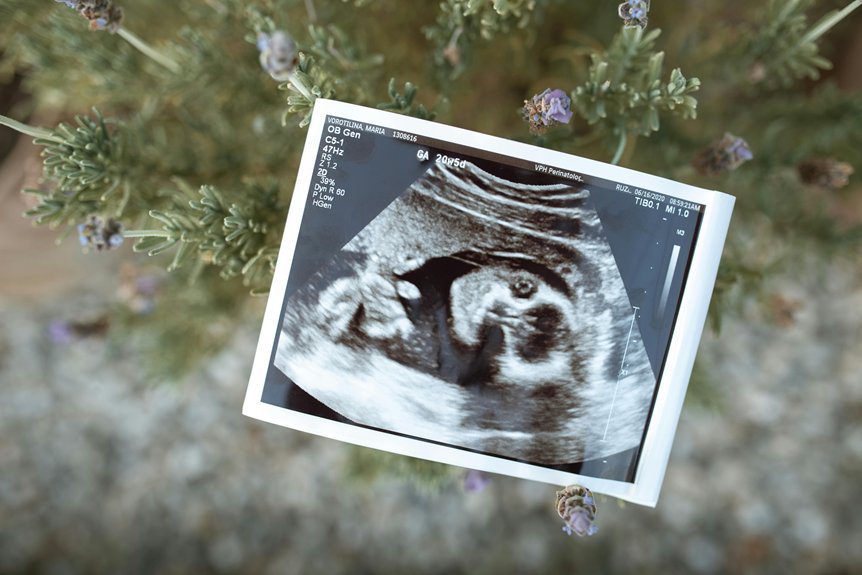
Emma Gibson was born in 2017 from an embryo frozen for 27 years, breaking the record for the longest successful embryo cryopreservation. The embryo, frozen in 1992, was thawed and implanted at the National Embryo Donation Center, resulting in a healthy birth. This milestone demonstrates the effectiveness of modern cryopreservation and assisted reproductive technology. If you want to understand the detailed science behind this and related cases, there’s more to explore about embryo freezing and adoption.
Record-Breaking Birth of Emma Gibson
Emma Gibson’s birth on November 25, 2017, set a new record for the longest-frozen human embryo leading to a successful birth.
Her embryo was frozen in 1992 and later thawed and implanted at the National Embryo Donation Center. This successful birth broke the previous record of 20 years for frozen embryos.
Emma Gibson weighed 6 pounds 8 ounces at birth, showing that freezing embryos for extended periods can still result in healthy babies.
Her birth highlights advancements in reproductive technology and offers hope to those facing infertility through embryo adoption and transfer.
The Journey Through Infertility and Embryo Adoption
Although many couples face challenges when trying to conceive, the Gibson family’s struggle with infertility lasted nearly five years due to the husband’s cystic fibrosis.
Tina Gibson discovered embryo adoption through local news, prompting them to contact the National Embryo Donation Center. They completed an application, underwent medical examinations, and a home study to meet requirements.
After reviewing 300 donor profiles, they selected an embryo; their first choice was non-viable, but the second resulted in a successful birth.
This process highlights how families facing infertility can consider frozen embryos and adoption as viable paths to parenthood.
The Science and Process Behind Frozen Embryos
When embryos are created through in vitro fertilization (IVF), they can be frozen and stored in cryogenic freezers for long periods, sometimes even decades, thanks to advances in preservation technology.
Frozen embryos maintain viability through careful long-term preservation, allowing them to be thawed and used later in embryo transfer procedures.
The National Embryo Donation Center supports embryo adoption by offering donor profiles to prospective parents.
While thawed embryos survive about 75% of the time, implantation success ranges from 25% to 30%.
This reproductive technology enables families to grow even after many years of embryo freezing.
Family Bonds: Emma and Her Sister Molly
A remarkable example of the potential for long-term embryo freezing is seen in the story of two genetic siblings born from embryos frozen in the early 1990s.
Emma and Molly Gibson both originated from frozen embryos, with Emma’s birth in 2017 setting a record, later surpassed by Molly’s birth in 2020 after over 27 years frozen.
These siblings share a unique family bond, as Emma introduces Molly as her little sister.
Their births highlight advancements in embryo freezing technology and emphasize the evolving possibilities for genetic siblings born from long-frozen embryos, underscoring significant progress in reproductive science.
The Future of Embryo Freezing and Reproductive Technology
As reproductive technology advances, embryo freezing continues to evolve with significant implications for fertility treatment and family planning.
Cryopreservation technology now allows for long-term storage of frozen embryos without reducing viability, making in vitro fertilization more accessible and flexible.
Embryo donation has gained acceptance, contributing to successful pregnancies and raising ethical questions about embryo use and genetic diversity.
These advancements in reproductive technology, exemplified by cases like Emma Gibson’s, suggest a future where older embryos could be used effectively.
You’ll see ongoing discussions shaping regulations and practices surrounding the long-term storage and application of frozen embryos.
Frequently Asked Questions
Can You Freeze an Embryo for 27 Years?
Yes, you can freeze embryos for 27 years using advanced cryopreservation techniques. With proper embryo storage, fertility preservation guarantees long-term viability. Success rates depend on the thawing process, reproductive technology, and ethical considerations surrounding frozen embryos.
What Happened to Emma Gibson?
Emma’s journey shows how frozen embryos and reproductive technology enable pregnancy success, highlighting medical advancements and ethical considerations. Her birth story reveals long-term storage’s future implications and impacts family dynamics, inspiring hope in fertility treatments worldwide.
What Is the Longest Frozen Embryo Baby Born?
The longest frozen embryo baby born resulted from 27 years of cryopreservation. Thanks to IVF advancements and embryo adoption, you can trust embryo viability and reproductive technology support ethical family planning and fertility treatments with improved embryo storage techniques.
Did Emma Gibson Have a Frozen Embryo in 1992?
Yes, Emma Gibson’s frozen embryo was created in 1992 through the IVF process, stored using cryopreservation techniques, then later thawed for embryo adoption, demonstrating advances in reproductive technology, embryo development, fertility preservation, and ethical considerations in embryo storage.
