

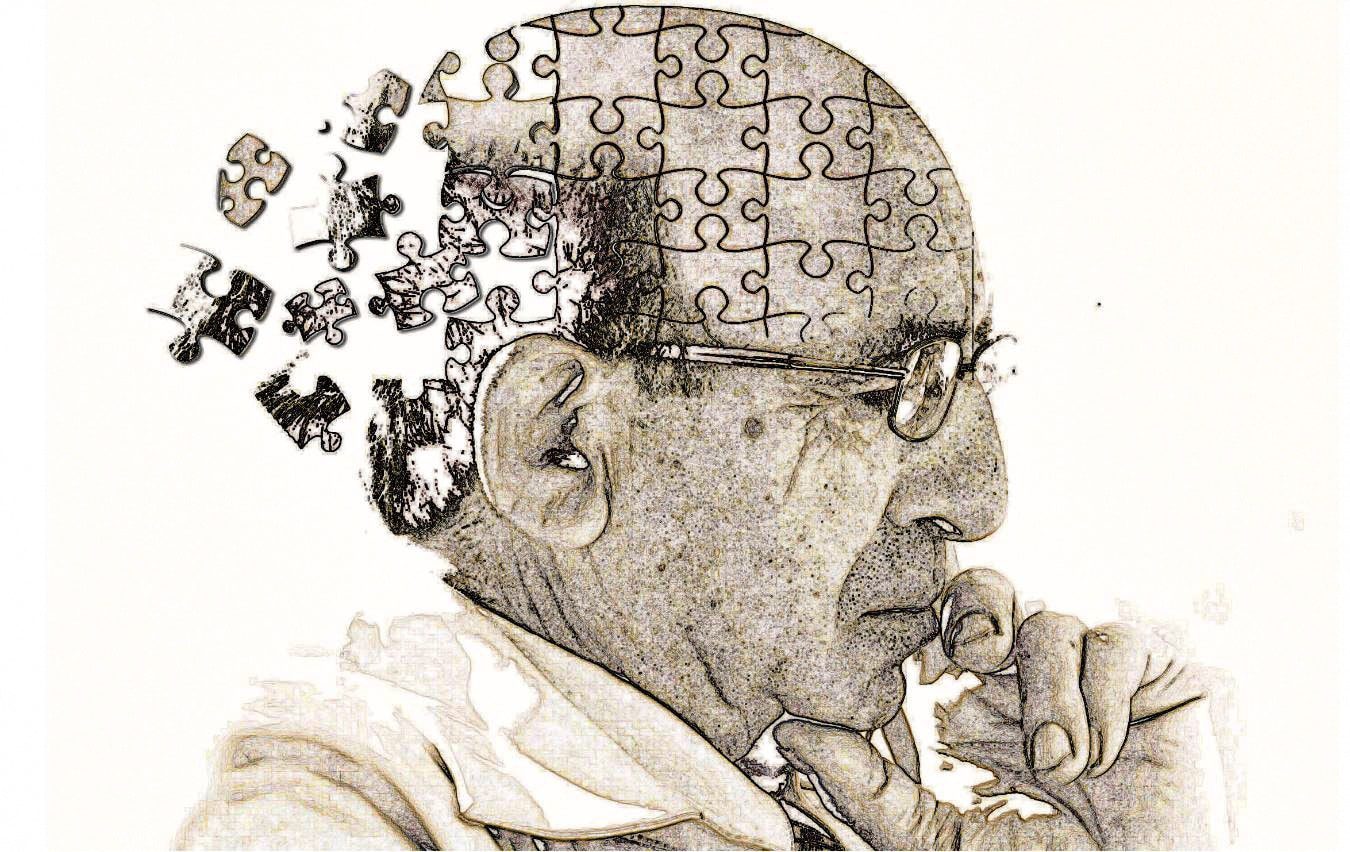
A New Clue in Alzheimer’s Research
In a potential game-changer for dementia treatment, scientists at Harvard Medical School have discovered that naturally occurring lithium in the brain plays a critical role in memory preservation — and that restoring lithium levels can reverse Alzheimer’s-like symptoms in mice.
The Breakthrough Discovery
Researchers analyzed hundreds of donated brain and blood samples from people with advanced Alzheimer’s, mild cognitive impairment, and no cognitive decline. Of all the metals tested, only lithium showed a clear pattern: reduced levels were present even at the earliest stages of memory loss. This suggests that lithium deficiency may be a driving factor in the disease’s onset.
How Lithium Loss Impacts the Brain
The team found that toxic amyloid-beta protein clumps, a hallmark of Alzheimer’s, appear to bind to lithium in the brain. This binding reduces lithium availability to neurons, accelerating damage and cognitive decline. In mice lacking normal lithium levels, amyloid-beta and tau proteins surged, mirroring the destructive process seen in human Alzheimer’s.
Reversing Memory Loss in Mice
The breakthrough came when researchers tested lithium orotate, a form of lithium capable of bypassing amyloid-beta binding. Low-dose supplementation restored memory performance in Alzheimer’s-model mice and reduced other markers of neurodegeneration. The cognitive improvements were so marked that mice regained near-normal function.
Implications for Diagnosis and Treatment
If replicated in humans, these findings could pave the way for early Alzheimer’s screening through lithium level testing. Preventative supplementation may become part of a targeted strategy to slow or even reverse cognitive decline. Clinical trials are the next step to confirm safety and efficacy in people.
A Cautious but Hopeful Outlook
While mouse models cannot fully predict human outcomes, the study offers one of the most compelling new leads in Alzheimer’s research. As dementia rates climb worldwide, the potential for a simple, low-dose supplement to protect brain function could transform both prevention and treatment strategies.
This research has been published in Nature and is already drawing global attention for its potential to reshape the fight against neurodegenerative disease.