

-
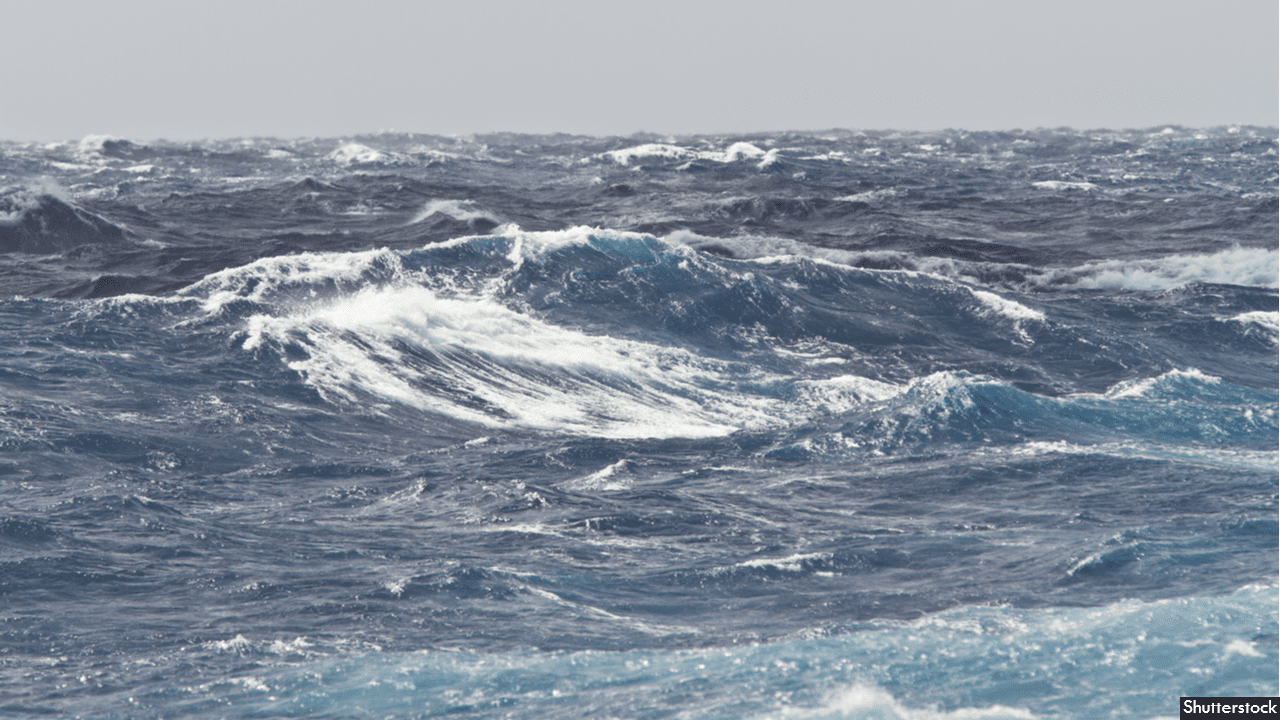
The Antarctic Circumpolar Current ACC is the planet’s biggest current. It is about five times stronger than the Gulf Stream and moves roughly 173 million cubic meters of water every second.
-
New sediment core evidence points to a major slowdown. Flow today is about three times weaker than during the last interglacial roughly 130,000 years ago.
-
Models indicate an additional 20 percent slowdown by 2050 as meltwater from Antarctic ice shelves freshens and stratifies the Southern Ocean.
-
A weaker ACC means less heat and carbon moved between oceans, a reduced marine carbon sink, more extremes in regional climate, and higher risk to Antarctic ice.
-
Fisheries, sea ice, and invasive species barriers all depend on this flow. A slower current threatens food webs and coastal economies.
What the ACC actually does
The Antarctic Circumpolar Current is the only current that circles the globe uninterrupted. It connects the Atlantic, Pacific, and Indian Oceans, shuttling heat, dissolved carbon, oxygen, and nutrients around Antarctica and into the world’s basins. That conveyor moderates temperatures, fuels plankton blooms, and helps the ocean absorb a significant share of humanity’s carbon emissions.
Think of it as Earth’s climate flywheel. Strong winds drive it from west to east, and its deep jets pull up nutrient-rich waters that feed Southern Ocean ecosystems.
The new signal from the seafloor
Researchers analyzed sediment cores from the Scotia Sea north of Antarctica to reconstruct how fast and where the ACC flowed over the past 160,000 years. Grain sizes, deposit layers, and current-formed structures in those cores are reliable proxies for near-bottom flow speed and position.
Two standout findings:
-
Peak flow in the last interglacial was more than triple modern values.
-
During that warm period, the ACC’s core sat at least 600 km closer to the pole than it is today.
Orbital pacing can explain part of this. Variations in Earth’s orbit and axial tilt modulate incoming solar radiation, which shapes Southern Hemisphere westerlies and, in turn, wind-driven currents like the ACC.
Why human warming is now slowing the current
You might expect stronger winds in a warmer world to speed the ACC. High-resolution simulations and modern observations show the opposite net effect:
-
Antarctic meltwater adds a cap of cold, fresh water at the surface.
-
That cap strengthens stratification, reduces vertical mixing, and suppresses the deep return flow that helps power the ACC.
-
The result is a slower, more layered Southern Ocean despite energetic winds.
Several groups now project about a 20 percent further slowdown by mid-century as ice-shelf melt accelerates.
What a weaker ACC changes in your world
Heat and carbon rebalancing
-
Less south-to-north heat transport alters storm tracks and seasonal patterns in the Southern Hemisphere.
-
A weaker overturning reduces the ocean’s capacity to take up atmospheric CO₂, leaving more in the air and amplifying warming.
-
Regional temperature contrasts can sharpen, increasing climate variability and extreme swings.
Antarctic ice exposure
-
The ACC acts like a dynamic buffer that helps keep warm mid-latitude waters away from ice shelves.
-
A slower, displaced current weakens that buffer, allowing more warm water intrusions under ice shelves, which accelerates basal melt and sea-level rise risk.
Fisheries and food webs
-
The ACC’s upwelling feeds phytoplankton that support krill, fish, penguins, seals, and whales.
-
Weaker mixing and shifting fronts can reduce nutrient supply, shrink productive zones, and hit global fisheries that rely on Southern Ocean stocks.
Biosecurity around Antarctica
-
The current helps block warm water and species from lower latitudes.
-
A weaker barrier raises the chance of invasive kelps and other species reaching Antarctic coasts, reshaping fragile ecosystems.
Coastal risk and sea level
-
Antarctica holds about 90 percent of Earth’s freshwater ice.
-
Even modest increases in ice-sheet melt and sea-level rise compound risk for the roughly 230 million people living within one meter of high tide.
Signals to track over the next decade
-
Southern Ocean salinity. Freshening at the surface is a direct fingerprint of meltwater and stratification.
-
Position of the Antarctic Polar Front. Latitudinal shifts indicate changes in current strength and pathway.
-
Antarctic ice-shelf melt rates. Faster basal melt means more freshwater feedback and further slowdown.
-
Carbon uptake. Any dip in the Southern Ocean carbon sink accelerates atmospheric buildup.
-
Storm tracks in the Southern Hemisphere. Persistent shifts point to circulation changes tied to ACC behavior.
Short answers to common questions
Is the ACC actually stopping
No. The signal is a significant slowdown, not a full stop. The concern is the compounding feedbacks that make further weakening likely.
Why was the current faster 130,000 years ago if that period was also warm
Different orbital geometry drove stronger westerlies and pushed the current poleward, enhancing flow. Today’s human-driven meltwater and stratification create the opposite effect.
Does a slower ACC always mean colder weather
Not uniformly. It redistributes heat differently. Some regions may cool, others may experience amplified heat or extremes as storm tracks shift.
Can stronger winds offset the slowdown
Winds help at the surface, but stratification from meltwater decouples the surface from the deep return flow. The net effect remains a slowdown in many simulations.
What can actually limit the risk
Cutting greenhouse gas emissions slows meltwater input. Protecting and managing Southern Ocean fisheries builds resilience while ecosystems adjust to changing fronts and productivity.
Regional snapshots
Southern Hemisphere mid-latitudes
-
More blocking highs and rainfall pattern shifts as heat transport and storm tracks adjust.
-
Agriculture faces higher variability in growing-season precipitation.
Antarctic coastal ring
-
Increased warm water intrusions beneath ice shelves.
-
Higher iceberg calving and fresher surface layers that reinforce slowdown.
Global oceans
-
Changes in nutrient delivery alter plankton communities.
-
Downstream effects reach the Pacific, Atlantic, and Indian basins through altered inter-basin exchange.
What policy and industry should plan for
-
Fisheries management. Update quota models to account for shifting fronts, reduced productivity, and spatial redistribution of key stocks such as krill.
-
Antarctic governance. Tighten biosecurity to limit invasive species and monitor ecological tipping points.
-
Coastal risk portfolios. Reprice assets and infrastructure using higher sea-level and storm surge baselines that reflect accelerating Antarctic melt.
-
Carbon budgets. Anticipate a smaller ocean sink in climate planning, which implies faster emissions cuts to hit temperature targets.
-
Observations. Fund autonomous floats, moorings, and regular coring to tighten constraints on circulation and carbon uptake.
The bottom line
The Antarctic Circumpolar Current is the climate system’s heavyweight mover. Evidence from the seafloor shows it is far weaker today than during the last warm interval, and modern meltwater dynamics point to further slowing. That means less ocean buffering of heat and carbon, more stress on Antarctic ice, and real pressure on fisheries and coasts. Treat the ACC as critical infrastructure for the planet. Keeping it healthy depends on what we do with emissions now.