

The BA.3.2 subvariant of SARS-CoV-2, widely nicknamed the “Cicada” variant, has been confirmed in 23 countries and detected in wastewater surveillance across 25 U.S. states as of February 11, 2026, according to the CDC. Public health officials are watching it closely, but the current picture does not justify alarm. What it justifies is staying informed.
The nickname comes from the insect’s biology: like a cicada, this strain went underground after its initial detection, then resurfaced at scale. BA.3.2 was first identified in South Africa in November 2024, showed up in a single U.S. traveler in June 2025, and began appearing in clinical specimens in late December 2025 and early January 2026. Since then, detections have accelerated, particularly in Northern Europe, where Germany, Denmark, and the Netherlands each linked roughly 30% of their recent COVID cases to this strain.
This article pulls together what the CDC, WHO, and independent infectious disease researchers have published so you can make sense of the noise.
What Makes BA.3.2 Different From Recent Variants
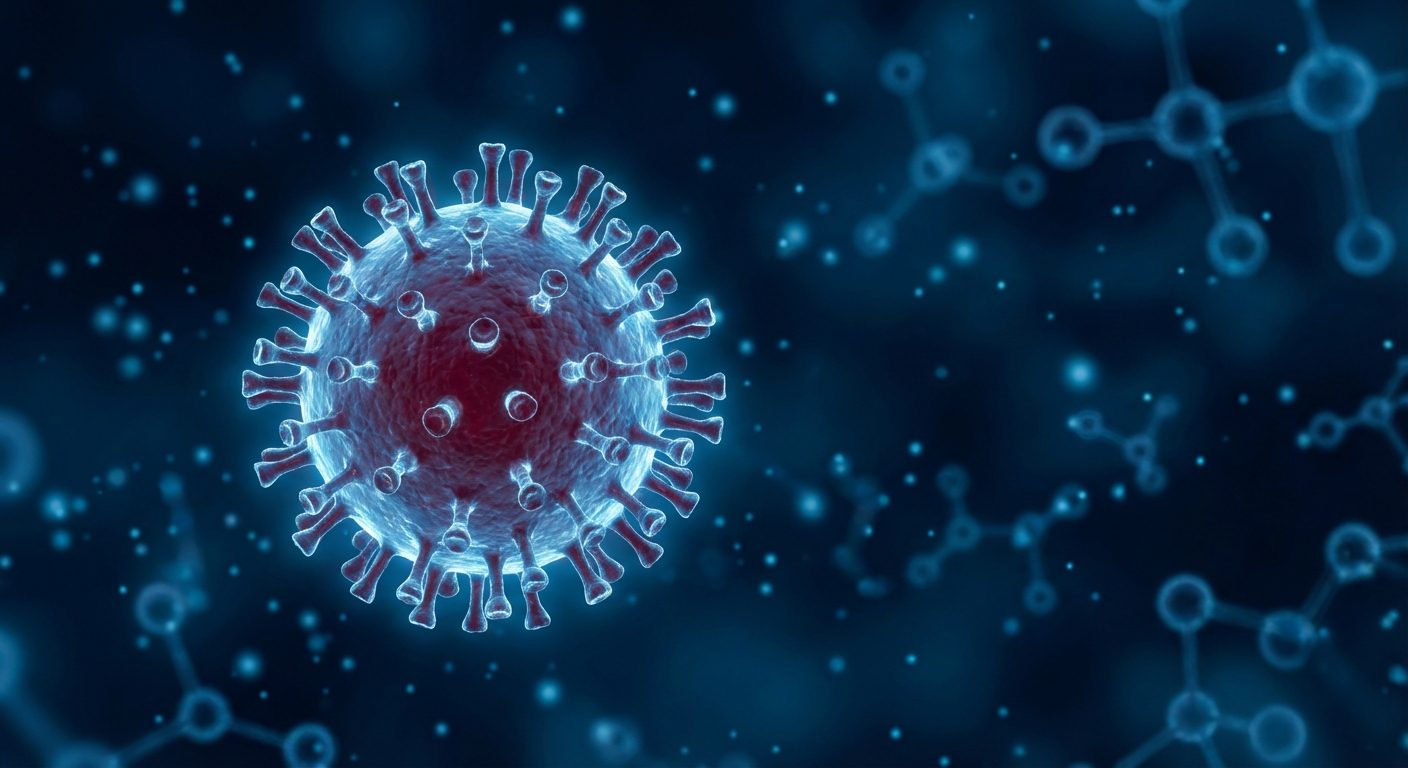
The number that stops researchers in their tracks is this: BA.3.2 carries 70 to 75 mutations in its spike protein. For comparison, the variants that dominated 2024 and early 2025, including JN.1 and LP.8.1, had 30 to 40 spike protein mutations. The spike protein is how the virus binds to human cells, and the part of the virus that current vaccines train your immune system to recognize.
More mutations do not automatically mean more dangerous. But a higher mutation count in the spike protein does raise the probability that prior immunity, from vaccination or natural infection, offers a weaker response. A study published in The Lancet Infectious Diseases found that updated COVID-19 vaccines still provide some protection against BA.3.2, though the neutralizing antibody response is noticeably weaker than against more closely matched strains like XFG, which remains the dominant U.S. variant as of early 2026.
BA.3.2 belongs to the Omicron lineage, the family of variants that has dominated global COVID transmission since late 2021. That matters because Omicron-lineage variants have, as a group, tended to cause less severe disease than earlier strains like Delta, even when they spread faster. Whether this pattern holds for BA.3.2 specifically is still being studied.
Cicada Variant Symptoms: What Patients Are Reporting
Based on data collected so far, symptoms of the Cicada variant closely mirror those of other recent COVID strains. The CDC and clinicians tracking BA.3.2 cases describe the typical presentation as:
- Sore throat
- Cough
- Nasal congestion or runny nose
- Fatigue
- Headache
- Fever or chills
- Gastrointestinal symptoms in some cases, including nausea or diarrhea
This symptom profile is not unique to BA.3.2. It looks similar to what most people experienced with XBB, JN.1, and LP.8.1. Critically, early clinical data does not show BA.3.2 causing more severe disease or higher rates of hospitalization compared to recent strains, according to Dr. William Schaffner, an infectious disease specialist at Vanderbilt University Medical Center, who noted as of early 2026 that most of what researchers know comes from laboratory data rather than large-scale clinical observation because the variant is still relatively new.
If you experience these symptoms, treat them the way you would any respiratory illness: stay home, rest, and contact your doctor, especially if you are immunocompromised, elderly, or have underlying health conditions that put you in a higher-risk category. Testing remains the only way to confirm whether you have COVID-19, and the specific variant is not typically identified at the point-of-care level.
Who Is Watching It and What the WHO Says
The World Health Organization has placed BA.3.2 under monitoring status, which means it has flagged the variant as worth tracking due to its genetic profile but has not yet classified it as a Variant of Concern or Variant of Interest. The distinction matters. A Variant of Concern designation signals demonstrated evidence of increased transmissibility, disease severity, or vaccine escape at a population level. BA.3.2 has not crossed that threshold as of late March 2026.
The CDC published its detailed surveillance report on BA.3.2 in the Morbidity and Mortality Weekly Report (MMWR) on February 28, 2026. That report confirmed wastewater detections across 132 monitoring sites in at least 25 states and documented the first clinical specimen in the U.S. dated January 5, 2026. The agency described BA.3.2 as “currently a minority strain” relative to circulating variants, a characterization that infectious disease specialists have echoed in interviews since.
On X (formerly Twitter), the topic drew over 373,000 views on a single widely shared post in late March 2026. Social media volume does not correlate with medical severity, but it does reflect a real public appetite for clear, authoritative information, which is precisely what is lacking when coverage skews toward headlines over data.
Hospitals and the Return of Masking Requirements
Several U.S. hospital systems have reinstated mask mandates for staff and patients in clinical settings. This is a precautionary response that reflects the uncertainty around BA.3.2’s immune escape profile, not confirmed evidence of severe disease. Healthcare facilities have historically responded to novel variants this way, prioritizing protection for vulnerable patients before full clinical data is available.
If you have a scheduled hospital visit or procedure, check with the facility directly about current protocols. Policies vary by institution and by regional COVID activity levels. Wearing a high-quality mask, such as an N95 or KN95, in healthcare settings is a reasonable precaution regardless of any specific variant’s trajectory, particularly if you are visiting someone who is immunocompromised or recovering from surgery.
What Your Current Vaccine Status Means Against BA.3.2
The 2025-2026 COVID-19 vaccine formulations were designed to target JN.1 and its close descendants, particularly XFG, the dominant strain through early 2026. BA.3.2’s 70-plus spike mutations create a mismatch. Laboratory studies show the current vaccines still produce a neutralizing antibody response to BA.3.2, but that response is weaker than the response to the strains the vaccines were built for.
“There definitely are quite a few mutations with this one, so there’s concern that the current vaccine is not going to be a great match,” said Brandon Dionne, associate clinical professor of pharmacy at Northeastern University, in published remarks in March 2026.
A weaker immune response against a variant is still meaningfully better than no immune response. If you are in a high-risk group, have not received a 2025-2026 updated booster, or have a condition that affects your immune function, the benefit of current vaccination likely outweighs the partial mismatch. Consult your doctor about whether an additional dose or other protective measures are appropriate for your specific situation.
Antiviral treatments like Paxlovid remain available for eligible patients and are expected to retain some effectiveness against BA.3.2, as antivirals target different viral mechanisms than antibody-based immunity. Confirm current prescribing eligibility with your physician or pharmacist, as guidelines can change as new data emerges.
Practical Guidance That Actually Applies
Neil Maniar, director of the master of public health program at Northeastern University, put the situation in useful perspective: “At this point, COVID is something that’s part of our day-to-day lives, similar to the flu and other respiratory illnesses. The biggest focus is really on protecting higher-risk individuals and continuing standard precautions.”
That means the guidance has not materially changed. Wash your hands frequently. Stay home if you feel sick. Mask in crowded indoor settings if you or someone you are with is high-risk. Get tested if you develop respiratory symptoms and your situation requires knowing your COVID status. If you have not received the current season’s updated COVID vaccine, talk to your doctor or pharmacist about whether it makes sense for you.
For anyone traveling internationally, BA.3.2 has been detected across Europe, parts of Africa, and Asia. Airport surveillance programs in the U.S. are actively monitoring arriving travelers, and wastewater data has been the earliest detection signal for new variants throughout the post-pandemic period. Stay current with CDC travel health notices if your plans take you to regions with elevated BA.3.2 activity.
Frequently Asked Questions About the Cicada COVID Variant
What is the Cicada COVID variant?
The Cicada COVID variant is the nickname for BA.3.2, a SARS-CoV-2 subvariant first identified in South Africa in November 2024. It earned the name because, like the insect, it appeared, went quiet, and then re-emerged at scale. As of February 2026, it had been detected in 23 countries and across 25 U.S. states through wastewater and clinical surveillance, according to CDC data.
Is the BA.3.2 Cicada variant more dangerous than previous COVID variants?
Early evidence does not show BA.3.2 causing more severe illness or higher hospitalization rates than recent strains. It carries significantly more spike protein mutations (70 to 75) than previous dominant variants, which raises concern about partial immune escape, but severity data from clinical cases has not indicated a worse disease course. Research is ongoing, and assessments may change as more data becomes available.
What are the symptoms of the Cicada variant?
Reported symptoms include sore throat, cough, congestion, fatigue, headache, fever, and in some cases gastrointestinal symptoms such as nausea or diarrhea. This mirrors the symptom profile of other recent COVID variants. No symptom is confirmed unique to BA.3.2. If you develop these symptoms, consult your doctor, particularly if you are in a high-risk category.
Do current COVID vaccines protect against BA.3.2?
Current vaccines provide some protection, but with a weaker immune response than against better-matched strains like XFG. The 2025-2026 formulations were designed around JN.1 and its descendants, and BA.3.2’s higher mutation count creates a partial mismatch. A Lancet Infectious Diseases study confirmed reduced but present neutralizing antibody activity. Vaccination still reduces risk, especially for high-risk individuals. Talk to your doctor about your specific situation.
Why are hospitals bringing back mask mandates?
Several hospital systems reinstated masking requirements as a precautionary measure given BA.3.2’s immune escape potential and the uncertainty around how it will behave at scale. These decisions are institution-specific, not a national mandate, and do not reflect confirmed evidence of increased disease severity. Check with your specific facility before any visit.
Has the WHO classified BA.3.2 as a Variant of Concern?
No. As of late March 2026, the WHO has placed BA.3.2 under monitoring status, a lower-tier classification meaning the variant is being tracked due to its genetic profile. It has not been designated a Variant of Interest or Variant of Concern, which would require demonstrated evidence of increased transmissibility, severity, or vaccine escape at a population level.
