

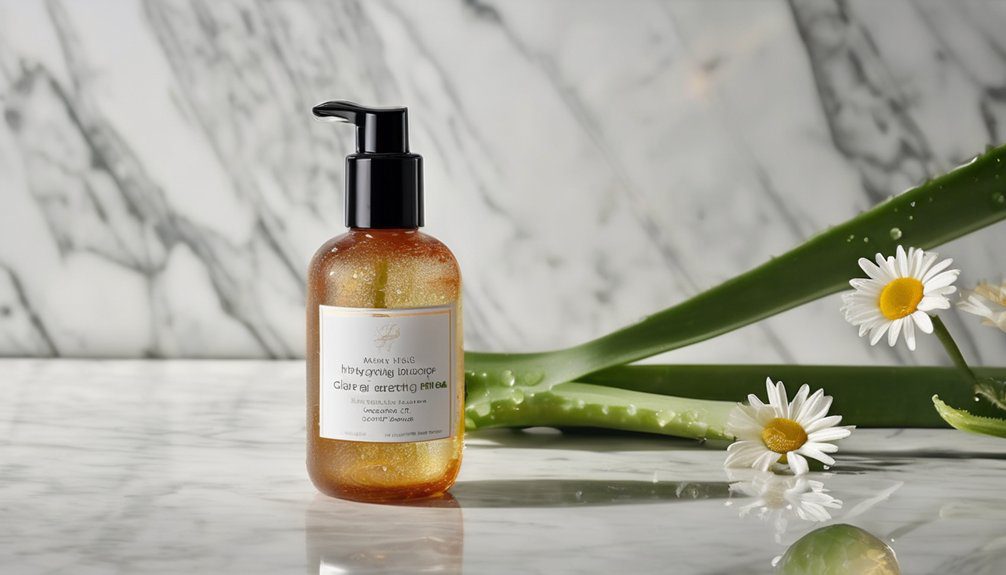
You can choose hydrating toners that soothe without burning by looking for key ingredients like aloe vera, chamomile, glycerin, and hyaluronic acid, which hydrate and calm the skin gently. Avoid alcohol, synthetic fragrances, or harsh chemicals to minimize irritation. Applying toner softly with hands or a cotton pad enhances absorption and comfort. Many brands now offer formulas designed for sensitive skin that strengthen moisture barriers while preparing your skin for further products. Explore more on selecting and using these toners effectively.
Benefits of Using a Hydrating Toner
Although many people skip toner in their skincare routines, using a hydrating toner offers several practical benefits.
You’ll notice hydrating benefits that help maintain your skin’s moisture balance, preventing dryness and irritation. This moisture support enhances your skin’s natural barrier, promoting overall health.
Toner effectiveness lies in its ability to prepare your skin for better absorption of subsequent products, like serums and moisturizers. By applying a hydrating toner, you create a smooth base that improves the performance of your entire routine.
This step supports your skin’s freedom to breathe and stay resilient throughout the day.
Key Ingredients to Look for in a Gentle Toner
Several key ingredients play an essential role in the effectiveness of a gentle hydrating toner. You should look for natural extracts like aloe vera and chamomile, which provide calming effects without irritation.
Soothing botanicals help reduce redness and balance your skin’s moisture. Ingredients such as glycerin and hyaluronic acid attract and retain hydration, supporting a smooth, supple feel.
Avoid harsh alcohols or synthetic fragrances that can strip or irritate. By focusing on these components, you guarantee your toner nourishes and refreshes your skin gently, promoting a comfortable, healthy complexion without compromising its natural barrier.
How to Choose a Toner for Sensitive Skin
Choosing a toner for sensitive skin requires careful consideration of its ingredients and formulation. You should avoid toner types containing alcohol, fragrances, or harsh chemicals, as these can irritate delicate skin.
Instead, look for products with soothing components like aloe vera, chamomile, or hyaluronic acid, which help maintain hydration without causing redness or discomfort.
Patch testing new toners is crucial to guarantee compatibility. Also, consider toner types designed specifically for sensitive skin, which often balance pH levels gently.
Selecting the right toner supports your skin’s barrier, promoting comfort and freedom from irritation during your daily routine.
Best Hydrating Toners for Dry Skin Types
Dry skin demands toners that deliver deep and lasting hydration to restore moisture balance effectively.
When selecting the best hydrating toners for dry skin types, focus on formulas rich in humectants like glycerin and hyaluronic acid, which provide essential hydrating toner benefits.
Proper toner application techniques also matter; apply toner gently with a cotton pad or your hands, patting it in to enhance absorption without stripping natural oils.
This approach supports your skin’s barrier, helping it retain moisture.
Choosing the right toner and applying it correctly can greatly improve hydration and comfort for dry skin.
Alcohol-Free Toners That Soothe and Moisturize
While hydrating toners with humectants work well for dry skin, you should also consider alcohol-free options that focus on soothing and moisturizing without causing irritation.
These toners often contain natural extracts and calming botanicals, which help maintain your skin’s balance and reduce dryness. By avoiding alcohol, they minimize the risk of stinging or redness, making them suitable for sensitive skin.
Incorporating ingredients like aloe vera, chamomile, or green tea extract, these formulations provide gentle hydration and comfort.
Choosing alcohol-free toners lets you support your skin’s natural barrier while enjoying a rejuvenating and calming skincare step.
Toners With Anti-Inflammatory Properties
You’ll find that toners with anti-inflammatory ingredients like chamomile and green tea can help reduce redness and calm irritated skin.
These compounds work by soothing sensitive skin, making them ideal for those prone to inflammation or breakouts.
Understanding how these ingredients function can guide you in choosing a toner that supports your skin’s comfort and health.
Key Anti-Inflammatory Ingredients
Because inflammation can cause redness and irritation, selecting toners with key anti-inflammatory ingredients helps calm your skin effectively.
Cucumber extract soothes by reducing swelling and providing a cooling effect, which decreases discomfort. Chamomile oil contains natural compounds that inhibit inflammatory responses, helping to minimize redness and promote healing.
These ingredients work together to support your skin’s barrier without causing additional stress. When you choose toners featuring cucumber extract or chamomile oil, you target inflammation directly, allowing your skin to recover and maintain balance.
Understanding these components lets you select products that align with your skin’s needs efficiently.
Benefits for Sensitive Skin
When your skin reacts easily to environmental factors or products, choosing toners with anti-inflammatory properties can make a significant difference.
These toners often include calming botanicals that help reduce redness and irritation, supporting your skin’s natural defense mechanisms. By reinforcing the skin barrier, they minimize moisture loss and protect against harmful elements.
This approach allows your skin to maintain its balance and resilience without triggering discomfort. Selecting such toners can help you manage sensitivity effectively, providing hydration and relief while promoting healthier skin.
This careful choice supports your skin’s freedom to function efficiently under various conditions.
Soothing Effects Explained
Toners with anti-inflammatory properties play a key role in soothing irritated skin by actively reducing redness and calming discomfort.
They rely on calming botanicals and soothing textures to provide relief without causing further irritation. You’ll find these ingredients help restore balance and protect your skin’s barrier.
Key benefits include:
- Reducing visible inflammation through natural extracts
- Providing lightweight hydration with gentle, soothing textures
- Enhancing skin recovery by calming sensitivity
Choosing a toner with these qualities supports your skin’s freedom from irritation, promoting a comfortable and balanced complexion every day.
How to Incorporate Toner Into Your Skincare Routine
You should apply toner right after cleansing to help balance your skin’s pH and prepare it for other products.
When layering, use toner before heavier treatments like serums or moisturizers to enhance absorption.
Choosing the right toner depends on your skin type and concerns, so select one that complements your overall routine.
When to Apply Toner
Although incorporating toner into your skincare routine may vary depending on your skin type and product formulation, it generally follows cleansing and precedes moisturizing.
You apply toner after washing your face to restore pH balance and prepare your skin for hydration.
Consider these moments for application:
- Morning routine: Use toner to refresh and prime skin before sunscreen and makeup.
- Evening routine: Apply toner to remove residual impurities and soothe skin post-cleansing.
- Anytime skin feels dry or tight: Reapply toner to boost hydration and comfort.
Following this sequence helps maximize toner benefits within your daily regimen.
Layering With Other Products
After applying toner to balance and refresh your skin, the next step involves layering other skincare products effectively.
Understanding layering techniques guarantees each product performs at its best without interference. Start with the lightest formulations, like serums, and progress to heavier creams or oils.
Product compatibility plays an essential role; avoid combining ingredients that may counteract or irritate, such as acids with retinoids.
Allow each layer to absorb fully before adding the next to prevent pilling. Following these guidelines lets you build a routine that maximizes hydration and nourishment while respecting your skin’s natural barriers.
Choosing Suitable Toner Types
When selecting a toner, understanding your skin type and specific concerns plays a crucial role in choosing the right formulation.
Toner formulation types vary—some focus on hydration, others on exfoliation or oil control. Knowing which suits you prevents irritation and maximizes benefits.
Additionally, toner application methods impact effectiveness. You can apply toner with:
- A cotton pad for gentle exfoliation
- Your hands for a hydrating pat
- A spray bottle for a quick refresh
Choose the combination that fits your routine and skin needs. This approach guarantees your toner complements other products while enhancing your skincare freedom.
Comparing Popular Hydrating Toners on the Market
Hydrating toners serve as a key step in many skincare routines, offering a boost of moisture and preparing the skin for subsequent products.
When comparing popular hydrating toners, you’ll find scented toners that add a pleasant aroma but may irritate sensitive skin.
Budget options often balance effectiveness and affordability, making them accessible without sacrificing quality.
Some toners focus on lightweight hydration, while others provide deeper moisture with ingredients like hyaluronic acid.
Understanding these differences helps you pick a toner that fits your skin type and lifestyle.
This knowledge guarantees your routine remains effective and comfortable.
DIY Hydrating Toner Recipes for Sensitive Skin
Since sensitive skin requires gentle care, making your own hydrating toner allows you to control the ingredients and avoid potential irritants.
Using natural ingredients and soothing botanicals guarantees your skin receives hydration without irritation.
Here are simple recipes to try:
- Rose water with aloe vera gel: calming and moisturizing.
- Green tea infusion mixed with cucumber juice: antioxidant-rich and revitalizing.
- Chamomile tea blended with a few drops of jojoba oil: reduces redness and nourishes.
These DIY options give you freedom to customize your toner while prioritizing skin comfort and hydration using gentle, effective components.
Tips to Avoid Irritation When Using Toner
Before applying a new toner, you should always perform a patch test to check for any adverse reactions on your skin.
Selecting products with gentle ingredients helps reduce the risk of irritation, especially if your skin is sensitive.
These steps guarantee you can use your toner safely and effectively without discomfort.
Patch Test First
How can you guarantee your skin reacts well to a new toner? Recognizing the patch test importance is key to preventing irritation.
The patch test procedure lets you identify potential reactions before applying toner widely. Here’s how to proceed:
- Apply a small amount of toner on a discreet skin area, like behind your ear or on your wrist.
- Wait 24 to 48 hours to observe any redness, itching, or swelling.
- If no irritation appears, it’s generally safe to use the toner on your face.
This simple step protects your skin and supports your freedom to explore new products confidently.
Choose Gentle Ingredients
Selecting toner ingredients carefully plays an essential role in minimizing skin irritation. You should opt for products containing gentle exfoliation agents like lactic acid or fruit enzymes, which help remove dead skin cells without harsh abrasion.
Including calming botanicals such as aloe vera, chamomile, or green tea can soothe your skin and reduce redness. Avoid toners with high alcohol content or strong fragrances, as they often cause dryness and irritation.
Frequently Asked Questions
Can Hydrating Toners Help Reduce Acne Scars?
Yes, hydrating toners can help reduce acne scars if they include effective toner ingredients like niacinamide or hyaluronic acid. You’ll want to choose acne scar treatments that nourish your skin while promoting healing and freedom from irritation.
Are Hydrating Toners Safe to Use During Pregnancy?
Yes, you can use hydrating toners during pregnancy, but always check for safe ingredients like aloe vera and hyaluronic acid. Prioritize pregnancy skincare that supports your freedom to glow without risking harsh chemicals or irritants.
How Long Does It Take to See Results From a Hydrating Toner?
You’ll usually notice toner effectiveness timeline changes within 1-2 weeks, but skin type variations mean some see results faster. Stick with it, and your skin will thank you as it feels refreshed and hydrated.
Can Hydrating Toners Replace Moisturizers in Skincare Routines?
You can’t fully replace moisturizers with hydrating toners, but they’re great moisturizer alternatives that boost hydration and prep your skin. Embrace toner benefits to free your routine, but keep moisturizers for lasting protection.
Do Hydrating Toners Work Differently on Oily Versus Combination Skin?
Yes, hydrating toners work differently on oily skin and combination skin. You’ll find they balance oily skin’s shine without clogging pores, while soothing combination skin’s dry and oily zones, giving you freedom to customize your routine.
