

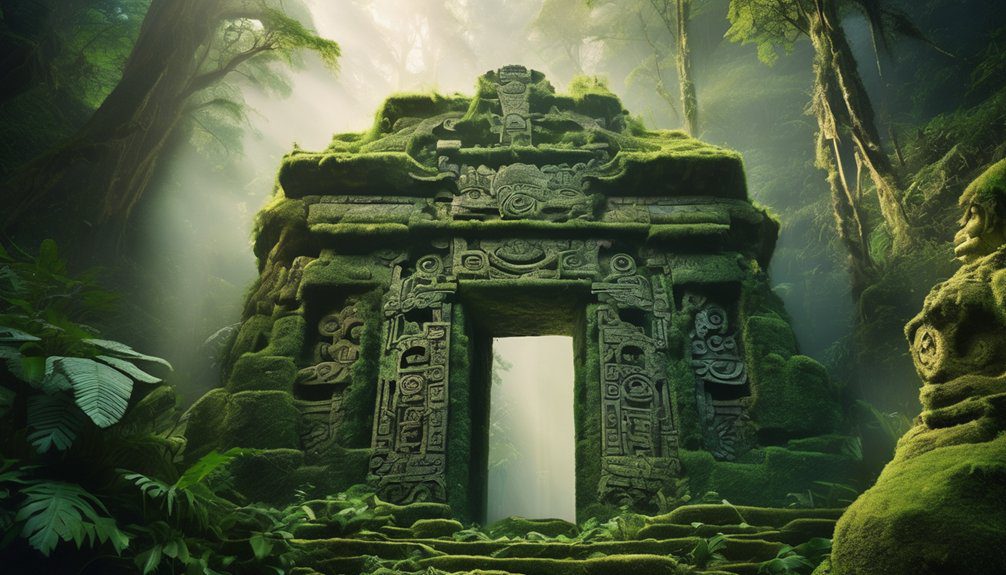
You’ll find the Agartha Kingdom described as a legendary underground domain across multiple cultures, symbolizing hidden wisdom and advanced spiritual knowledge. It’s often linked to subterranean spheres inhabited by enlightened beings and accessed through mystical portals. The concept appears in Eastern mysticism, especially Tibetan traditions, and Western esoteric teachings, representing freedom from earthly limits and connection to cosmic energies. This enduring myth highlights the human quest for deeper understanding and hidden truths, inviting further exploration.
Origins and Early References to Agartha
Although the concept of Agartha remains largely mythical, its origins can be traced back to various ancient texts and esoteric traditions.
These sources describe subterranean civilizations believed to exist beneath the Earth’s surface, suggesting a hidden world beyond common perception.
You’ll find mentions of Agartha in early writings that hint at advanced societies living underground, often portrayed as places of knowledge and freedom.
Understanding these origins helps you appreciate how the idea of Agartha evolved as a symbol of liberation from earthly constraints, reflecting humanity’s enduring fascination with secret domains and the quest for hidden wisdom.
Agartha in Tibetan and Eastern Mysticism
When exploring Agartha in Tibetan and Eastern mysticism, you’ll find it often linked to the concept of hidden spiritual territories beneath the Earth’s surface.
Tibetan legends describe Agartha as a sacred domain where enlightened beings reside, embodying profound wisdom and peace.
Eastern philosophies emphasize inner journeys and hidden knowledge, aligning with Agartha’s portrayal as a place of spiritual liberation and advanced consciousness.
This concept encourages seekers like you to look beyond the physical world in search of freedom through enlightenment.
Understanding Agartha in this setting highlights its role as a symbol of ultimate spiritual refuge within these traditions.
Western Esoteric Interpretations of Agartha
While Agartha originates from Eastern mysticism, Western esoteric traditions have adopted and adapted the concept to fit their own frameworks of hidden knowledge and spiritual spheres.
You’ll find Agartha symbolism representing an inner world of enlightenment and secret wisdom in Western occultism. Agartha mythology here often serves as a metaphor for personal and collective transformation.
Key themes you should note include:
- A subterranean sphere housing advanced beings
- Access through mystical portals or tunnels
- Guardians of ancient spiritual knowledge
- Connection to cosmic energies and chakras
- Symbolism of freedom from earthly limitations
These elements shape Western esoteric views of Agartha’s significance.
Modern Cultural Impact and Popular Beliefs
How has Agartha influenced modern culture and popular beliefs?
You’ll find that Agartha symbolism often appears in books, films, and spiritual discussions, reflecting a desire to explore hidden knowledge and freedom from conventional limits.
Modern interpretations frequently link Agartha to themes of inner enlightenment and secret societies, suggesting a domain beyond visible reality.
These ideas resonate with those seeking deeper understanding or alternative worldviews.
By engaging with Agartha’s myths, you embrace a cultural narrative that challenges mainstream perspectives, encouraging independent thought and exploration.
This influence shapes how many perceive mystery, freedom, and the unknown in today’s cultural landscape.
