

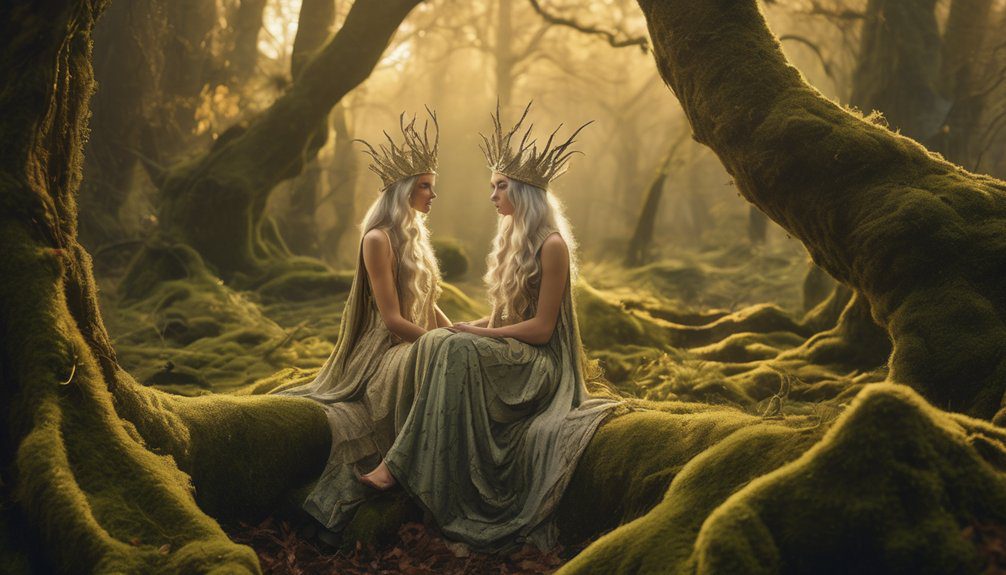
You’ll find elves originate from ancient Germanic and Norse myths, symbolizing nature and spiritual forces. In fantasy fiction, elves vary widely: noble, ethereal high elves; dark, subterranean drow; forest-dwelling wood elves; and city-adapted urban elves. They share traits like magical agility, timeless beauty, archery skills, or elemental control. Each type plays unique roles shaped by abilities and culture, connecting nature to storytelling. Exploring further will reveal how these kinds enrich narratives and world-building.
Origins and Mythological Background of Elves
Although elves appear in various cultures around the world, their origins are most deeply rooted in ancient Germanic and Norse mythology.
You’ll find that these beings hold a crucial place in ancient folklore, symbolizing forces of nature and spiritual intermediaries. Their cultural significance reflects early societies’ views on freedom, the natural world, and the unseen.
Understanding these mythological roots helps you appreciate how elves evolved beyond mere fantasy characters. This background reveals how elves embody complex ideas about life, autonomy, and connection to nature, making them enduring symbols across time and cultures.
Different Types of Elves in Fantasy Fiction
When exploring fantasy fiction, you’ll notice that elves come in a variety of forms, each with distinct characteristics and cultural backgrounds.
In high fantasy settings, you often encounter noble, ethereal elves known for their longevity and connection to nature. Dark elves, or drow, contrast sharply with these, typically portrayed as subterranean dwellers with complex societies and a darker moral alignment.
Other types include wood elves, who live in forests and maintain close ties to the wild, and urban elves, adapted to city life.
Understanding these distinctions helps you appreciate the rich diversity elves bring to fantasy worlds.
Characteristics and Abilities of Various Elven Kinds
Understanding the unique characteristics and abilities of different elven kinds allows you to appreciate how these traits shape their roles within fantasy domains.
Elves often display magical agility, enabling swift movement and precise control over mystical forces. Their ethereal beauty sets them apart, reflecting a timeless elegance linked to their ancient origins.
Some elves excel in archery and stealth, while others command elemental magic or possess healing talents. Recognizing these variations helps you identify their contributions to narratives, whether as warriors, sages, or guardians.
Each elven kind brings distinct skills that influence their interactions and impact within their domains.
Frequently Asked Questions
How Do Elves Typically Interact With Humans in Folklore?
You’ll find human elf relationships in folklore interactions vary—elves can be helpful or mischievous, depending on their mood. They respect freedom but might trick you if you don’t honor their world and boundaries.
What Are Common Elf-Related Symbols or Artifacts?
You’ll find elf symbolism in items like enchanted rings, delicate leaves, and silver bells. These magical artifacts represent freedom, nature’s spirit, and mystery, inspiring you to embrace your own wild, untamed journey beyond ordinary limits.
How Have Elves Influenced Modern Pop Culture?
You’ll find Elven archetypes shaping characters in fantasy adaptations everywhere, inspiring your quest for freedom through their grace, wisdom, and mystique. They fuel creativity, letting you explore limitless worlds beyond ordinary boundaries.
Are Elves Featured in Any Major Religious Texts?
You won’t find elves directly in major religious texts, but elf mythology often blends with religious symbolism in folklore. Embrace that freedom to explore how these mythical beings represent deeper spiritual themes beyond strict doctrine.
What Languages Do Elves Traditionally Speak in Fantasy?
You’ll find elves traditionally speak Elvish languages, rich in magical dialects that flow like ancient spells. These languages offer you freedom to explore mystical worlds, connecting deeply with the enchanting essence of elven culture.
