

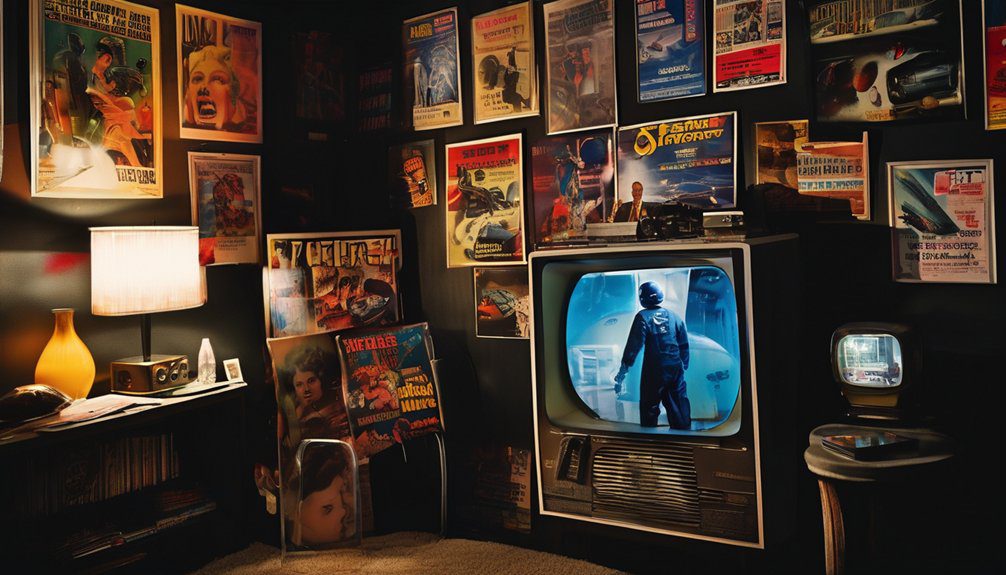
You might notice pop culture often appears to predict real-world events, a concept known as predictive programming. It involves creators embedding future possibilities or societal shifts into movies, TV shows, or books. While these works reflect cultural trends and anxieties, they don’t guarantee exact foresight. Instead, media mirrors ongoing social changes and can influence public perception. This interplay between creativity and society offers valuable insight into how narratives shape our understanding. Exploring this further reveals deeper connections.
Understanding Predictive Programming and Its Origins
Although the concept of predictive programming may seem modern, its origins trace back several decades in media and entertainment.
You’ll find that this idea stems from a cultural influence embedded within historical context, where creators subtly introduced future events or societal shifts in their works.
By understanding this background, you can better grasp how media has long served as a mirror reflecting potential realities.
This historical perspective reveals that predictive programming isn’t just about foresight but also about shaping public perception over time, influencing how societies interpret and react to unfolding events.
Notable Examples of Predictive Programming in Media
Examples of predictive programming appear frequently across various forms of media, illustrating how creators have embedded subtle hints of future events within their narratives.
You can find instances where films, television shows, and books reflect societal reflections and anticipate future trends, such as technological advancements or political shifts.
These works often mirror current anxieties or hopes, subtly preparing audiences for possible outcomes.
By examining these examples, you gain insight into how media serves as a lens for understanding potential futures while echoing present-day concerns.
This approach highlights the interplay between creativity and societal awareness in popular culture.
Analyzing the Impact and Validity of Predictive Programming
When you examine predictive programming, it’s important to contemplate both its impact and its validity carefully.
You’ll notice that cultural influence plays a significant role in how media shapes public perception, often blurring lines between fiction and reality. Media impact can amplify certain ideas, making them seem inevitable or pre-planned, but this doesn’t always prove intentional foresight.
Instead, it reflects society’s fears and trends at the time. By analyzing patterns critically, you can better understand whether predictive programming truly predicts events or simply mirrors ongoing cultural shifts, helping you maintain a balanced, informed viewpoint.
Frequently Asked Questions
How Can I Create My Own Predictive Programming Content?
You can create your own predictive programming content by combining creative storytelling with sharp media analysis. Challenge norms, explore hidden themes, and craft narratives that inspire freedom and awaken awareness in your audience.
Are There Legal Issues With Using Predictive Programming in Media?
You might face copyright concerns if you use copyrighted material without permission, and ethical implications if your content misleads audiences. Stay true to your creative freedom while respecting others’ rights and maintaining transparency in your media.
Which Directors or Writers Are Known for Predictive Programming?
You’ll notice directors like Stanley Kubrick and writers like Philip K. Dick use nostalgic references and subconscious messaging, subtly guiding your thoughts while preserving your freedom to interpret and question the realities they portray.
Can Predictive Programming Influence Public Behavior Intentionally?
Yes, you can be influenced intentionally through social influence and media psychology, shaping your beliefs and actions. Stay aware, question narratives, and protect your freedom by critically analyzing the media messages you consume every day.
How Do Conspiracy Theories Relate to Predictive Programming?
You’ll see conspiracy theories often stem from conspiracy origins and media manipulation, making you question reality. Understanding this helps you resist control, protecting your freedom by staying aware of how narratives shape your perception and choices.
