

Highlights
-
Processed and frozen foods may lower fertility in both men and women.
-
Endocrine-disrupting chemicals (EDCs) in packaged diets have been linked to hormonal imbalance and infertility.
-
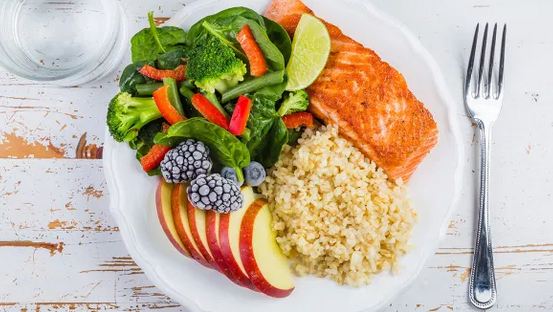
Diets rich in whole foods, antioxidants, and healthy fats improve egg and sperm quality.
-
Experts recommend adopting a Mediterranean-style fertility diet before conception.
The Silent Role of Diet in Fertility
Fertility is shaped by a mix of genetics, age, lifestyle, and environment. But one factor often underestimated is dietary quality. Emerging research shows that what you eat can directly affect egg health, sperm production, hormone balance, and pregnancy outcomes.
With modern lifestyles pushing people toward frozen dinners, ready-to-eat packaged snacks, and fast food, doctors are warning that convenience may come at the cost of reproductive wellness.
To separate fact from myth, we spoke to Dr. Kshitiz Murdia, IVF Expert and CEO of Indira IVF Hospital Limited, who shared insights on how processed diets could harm fertility—and how mindful eating can restore balance.
Frozen and Packaged Foods: A Fertility Red Flag
While age, obesity, smoking, and alcohol remain established infertility risks, nutrition is one of the most modifiable levers. Studies now indicate that frequent consumption of frozen and packaged foods is linked with:
-
Lower sperm count and motility
-
Irregular ovulation and menstrual cycles
-
Hormonal imbalances caused by trans fats and additives
-
Exposure to EDCs such as phthalates and bisphenol A, found in packaging materials
Evidence From Research
-
A 2020 U.S. study found women who regularly consumed frozen or fast foods had two to three times higher infertility rates compared to those eating home-prepared meals.
-
A Taiwanese study showed that seniors cooking at home five times a week lived longer, likely due to reduced exposure to processed food and harmful additives.
-
Non-home-prepared meals (NHPM), including frozen and packaged foods, were linked to higher EDC exposure, which disrupts reproductive hormones.
Dr. Murdia noted:
“Frozen and packaged foods may reduce fertility potential due to low nutrient density, high trans fats, and chemicals that disrupt hormonal balance.”
Ingredients That Threaten Reproductive Health
Many convenience foods are loaded with ingredients that compromise fertility:
-
Trans Fats: Found in baked goods, frozen pizzas, and fried snacks. Linked to disrupted ovulation and lower sperm quality.
-
Refined Sugars & Carbs: Cause insulin resistance, impacting ovulation and sperm function.
-
Preservatives & Additives: Chemicals like nitrates and artificial flavors add toxic stress to reproductive tissues.
-
Low Micronutrient Density: Deficiency of folate, zinc, selenium, and antioxidants—nutrients crucial for DNA integrity in eggs and sperm.
The result is increased oxidative stress, a biochemical imbalance that damages reproductive cells and reduces conception chances.
The Fertility-Friendly Diet
Instead of heavily processed foods, experts recommend adopting diets that nourish reproductive cells and stabilize hormones.
Best Foods for Fertility
-
Leafy Greens & Vegetables: High in folate and antioxidants.
-
Fruits & Whole Grains: Improve insulin sensitivity and hormone regulation.
-
Fatty Fish (salmon, sardines, mackerel): Rich in omega-3 fatty acids for sperm motility and egg quality.
-
Plant-Based Proteins: Lentils, beans, and nuts support ovulation.
-
Monounsaturated Fats: Olive oil, avocados, and seeds improve endometrial health.
Mediterranean-Style Diet
A landmark study showed that women following a “fertility diet”—similar to the Mediterranean pattern—had a 66% reduced risk of ovulatory infertility. Men on the same diet reported better sperm count and motility.
Preconception Nutrition: Why It Matters
Adopting a fertility-friendly diet isn’t just about conception. Nutritional status before pregnancy impacts:
-
Embryo development
-
Placental function
-
Risk of miscarriage
-
Long-term child health
Couples planning pregnancy are advised to begin nutritional optimization 3–6 months before conception.
Practical Steps to Improve Fertility Through Diet
-
Cook at Home More Often: Reduces EDC exposure and allows better ingredient control.
-
Avoid Ultra-Processed Frozen Dinners: Replace with fresh, minimally processed meals.
-
Read Labels: Steer clear of products with hydrogenated oils, excess sugar, and artificial additives.
-
Boost Antioxidants: Add berries, citrus, and green tea to combat oxidative stress.
-
Balance Macronutrients: Pair proteins with whole grains to support insulin balance.
Expert’s Bottom Line
Dr. Murdia emphasized:
“Individuals trying to conceive should avoid frozen and packaged foods as much as possible. A nutrient-rich, whole-food diet supports hormone balance, reduces oxidative stress, and enhances both male and female fertility outcomes.”
Frozen pizzas, packaged dinners, and sugary snacks may be convenient, but the science is clear: they don’t support reproductive health. Fertility thrives on whole, fresh, and nutrient-dense foods that fuel the body at its most delicate stage—creating new life.
If you’re planning to conceive, the recipe is simple: ditch the freezer aisle, embrace fresh markets, and let your diet be your fertility ally.
