

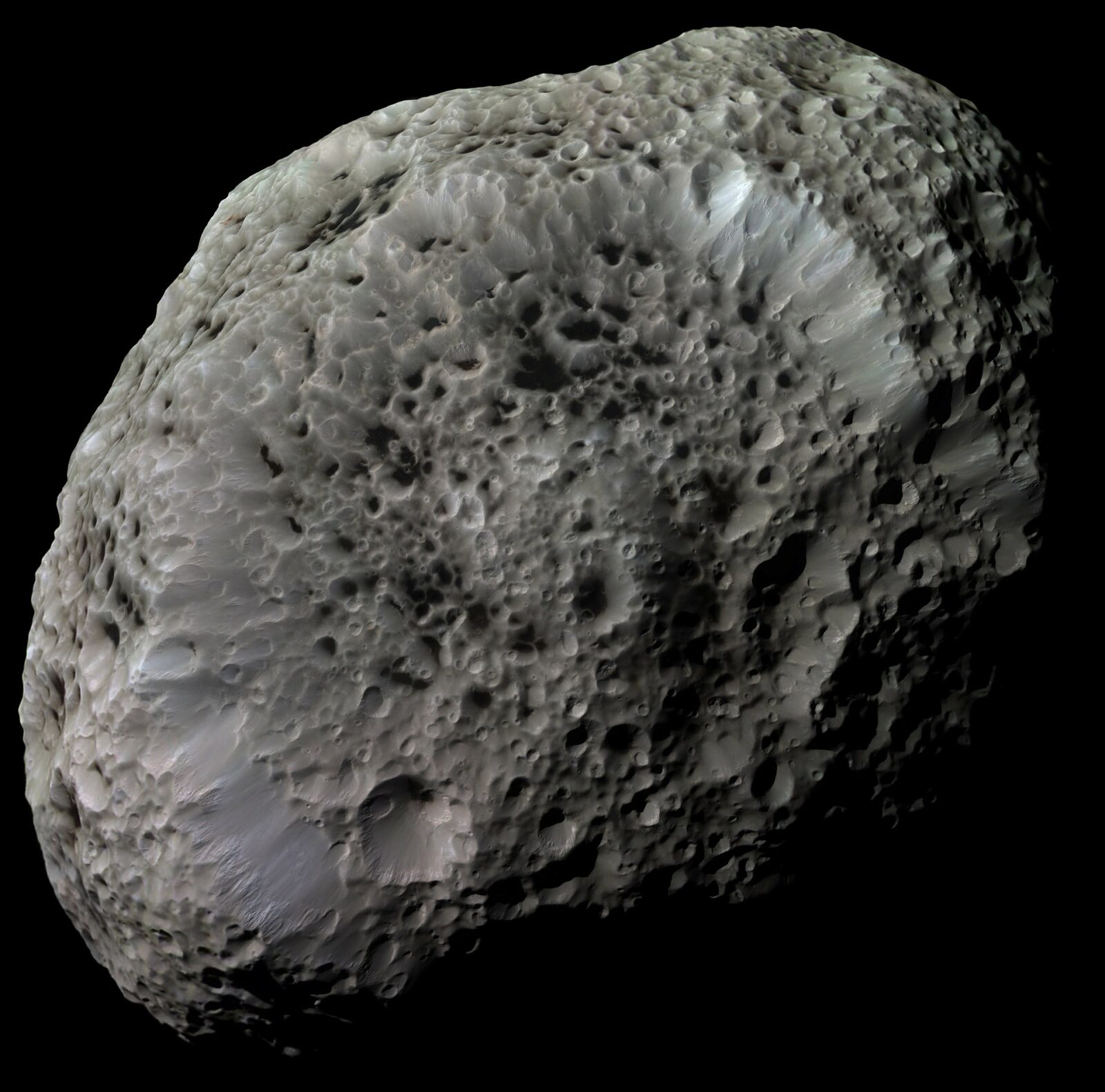
New JWST data rewrites the origin story of the solar system’s most valuable space rock
Asteroid 16 Psyche has long been billed as a planetary core stripped bare — a solid mass of nickel and iron potentially worth more than the global economy combined. But new infrared scans by the James Webb Space Telescope (JWST) tell a different story: Psyche isn’t pure metal. It’s a collision-scarred hybrid with clear chemical traces of water.
Webb Telescope Detects Hydration on Psyche’s Surface
In March 2023, JWST focused on the asteroid’s north pole using two advanced instruments:
-
NIRSpec (Near Infrared Spectrograph)
-
MIRI (Mid-Infrared Instrument)
The result? A distinct hydroxyl signature—a telltale indicator that Psyche’s surface may contain chemically bound water in the form of rust. This shifts the narrative from a dry, metallic relic to a mixed-composition object potentially altered by past impacts with water-rich asteroids.
“Detecting hydroxyl with JWST is a breakthrough,” said Stephanie Jarmak from the Harvard-Smithsonian Center for Astrophysics. “It’s something we’ve used on the Moon, but this is the first time we’re seeing it on a metallic asteroid.”
Not Just Metal: A Mixed Legacy of Rock, Water, and Violence
Psyche spans 173 miles (280 km) and sits deep in the main asteroid belt between Mars and Jupiter. It was once believed to be the exposed iron core of a shattered protoplanet. But this new data points to a more complex origin:
-
The asteroid’s surface shows signs of silicate material mixed with metal.
-
Hydroxyl groups hint at water-altered minerals, likely delivered by hydrated impactors over billions of years.
These findings undermine the “bare planetary core” theory and instead support a layered formation process with multiple material sources.
What’s Next: NASA’s Psyche Mission
NASA’s Psyche spacecraft, launched in 2023 and set to arrive by 2029, will provide ground-truth data to verify the Webb findings. The team’s current hypothesis centers around a southern impact crater—likely formed by a collision with a water-rich body—that may still hold concentrated pockets of hydrated minerals.
Ongoing goals:
-
Pinpoint exact regions where hydration occurs.
-
Study elemental distribution across Psyche’s surface.
-
Cross-verify JWST data with direct surface imaging and spectrometry.
Why This Changes Everything
The presence of hydroxyl compounds on Psyche challenges decades of assumptions in planetary science. It suggests:
-
Water delivery in the early solar system was more widespread than believed.
-
Metallic bodies may have complex geochemical histories.
-
Asteroids like Psyche could hold clues to planetary differentiation and volatile transport across inner space.
If you thought 16 Psyche was just space metal, think again. JWST just cracked open a deeper mystery: the most valuable asteroid ever discovered might also be one of the most chemically diverse. And it’s not just about water — it’s about rewriting how planets, moons, and even Earth got their start.
Expect NASA’s 2029 arrival to settle the score.
Bookmark this page. Psyche’s true story is only just beginning.